


Staying safe while travelling alone or in groups requires awareness, planning, and smart decisions. This guide covers practical safety tips, mindset strategies, and real-world precautions to help you travel confidently, avoid risks, and enjoy every journey without unnecessary stress.
Travelling opens doors to new experiences, cultures, and opportunities, but safety should always be a top priority. Whether you are exploring a new city alone or travelling with friends or family, understanding how to protect yourself can make a significant difference in your overall experience.
Staying safe while traveling alone or in groups is not about fear. It is about awareness, preparation, and making smart decisions in unfamiliar environments. When you understand potential risks and how to manage them, travel becomes more enjoyable and stress-free.
This guide is designed to help you stay safe while traveling in any situation by combining practical advice with psychological awareness and real-life travel strategies.
Why Travel Safety Matters
Safety is the foundation of a successful trip. Without it, even the best travel plans can quickly turn into stressful situations. Staying safe while travelling alone or in groups ensures that you can focus on enjoying your journey instead of worrying about unexpected problems.
Travel safety is not only about avoiding danger. It is also about feeling confident and in control. When you are prepared, you can handle challenges calmly and make better decisions.
Understanding Common Travel Risks
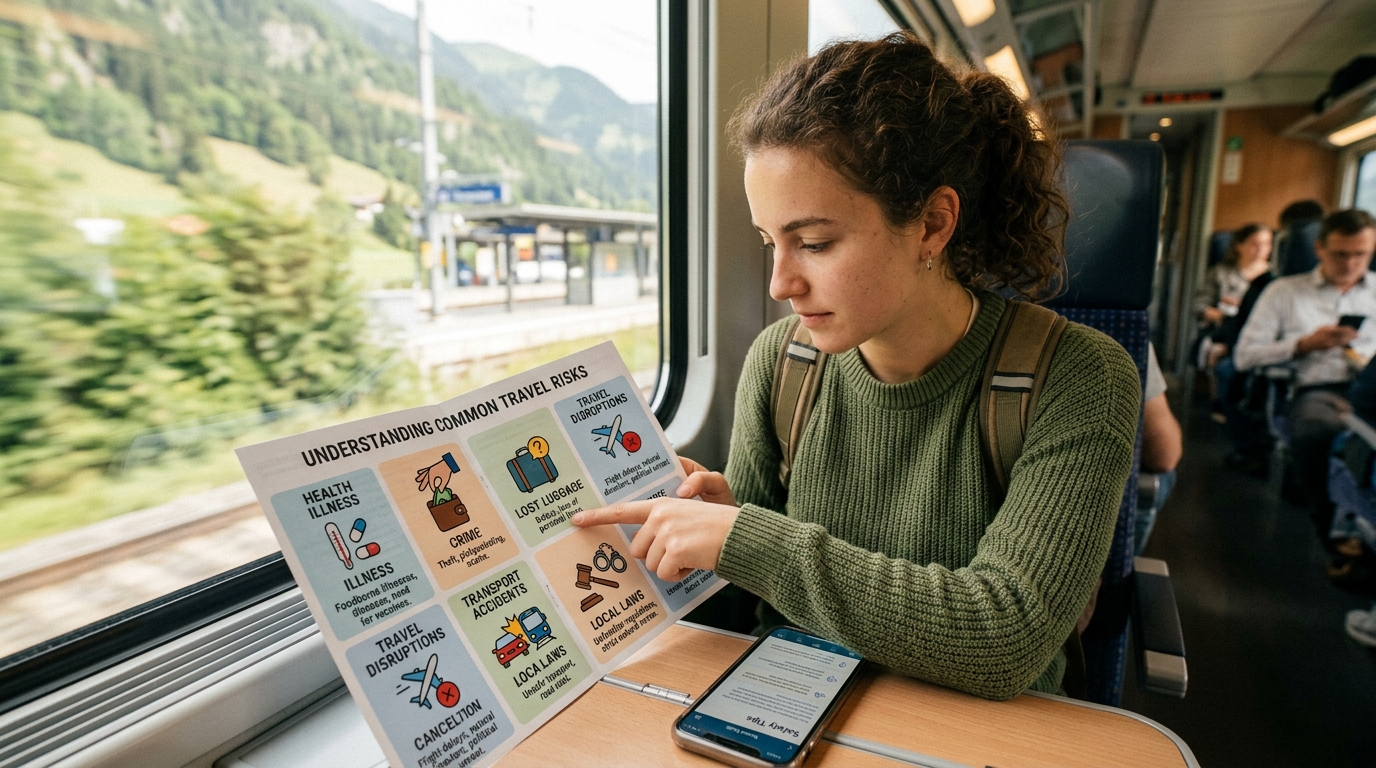
Before learning how to stay safe, it is important to understand the most common risks travelers face:
- Pickpocketing and theft
- Scams targeting tourists
- Getting lost in unfamiliar places
- Health issues or accidents
- Transportation-related risks
Staying safe while traveling alone or in groups becomes easier when you recognize these risks early and take preventive steps.
Safety Tips for Solo Travelers
Traveling alone offers freedom, flexibility, and self-discovery. However, it also requires extra awareness.
Stay Connected
Always share your travel plans with someone you trust. Regular updates help others know where you are.
Choose Safe Accommodation
Book hotels or hostels with good reviews and secure locations. Avoid isolated areas.
Trust Your Instincts
If something feels wrong, leave immediately. Your intuition is a powerful safety tool.
Avoid Oversharing
Do not share too much personal information with strangers.
Staying safe while traveling alone or in groups starts with trusting yourself and staying alert.
Safety Tips for Group Travelers
Group travel has its own advantages, but it also comes with responsibilities.
Stay Together
Avoid splitting up in unfamiliar areas, especially at night.
Assign Roles
One person can handle navigation, another can manage bookings, and others can stay alert.
Keep Communication Open
Use messaging apps to stay connected if the group separates.
Respect Local Rules
Groups can attract attention, so behave responsibly in public places.
Staying safe while traveling alone or in groups means adapting your behavior based on the situation.
Essential Travel Safety Checklist
| Area | What to Do | Why It Matters |
|---|---|---|
| Documents | Keep copies of passport and ID | Helps in emergencies |
| Money | Use multiple payment methods | Reduces risk of loss |
| Devices | Keep phone charged | Ensures communication |
| Health | Carry basic medication | Handles minor issues |
| Insurance | Get travel insurance | Covers unexpected events |
This checklist simplifies staying safe while traveling alone or in groups.
Digital Safety While Traveling
Modern travel depends heavily on technology, so digital safety is just as important.
- Avoid using public Wi-Fi for sensitive transactions
- Use strong passwords and two-factor authentication
- Keep backups of important data
- Turn off location sharing when not needed
Staying safe while traveling alone or in groups also means protecting your digital identity.
Transportation Safety Tips
Getting from one place to another safely is a key part of travel.
- Use trusted taxi services or ride-sharing apps
- Avoid unlicensed transportation
- Check routes before starting your journey
- Keep your belongings close
Transportation safety plays a major role in staying safe while traveling alone or in groups.
Accommodation Safety Tips
Your accommodation should feel secure and comfortable.
- Lock doors and windows
- Use hotel safes for valuables
- Do not open doors to strangers
- Check emergency exits
Choosing the right place to stay is essential for staying safe while traveling alone or in groups.
Health and Emergency Preparedness
Health is often overlooked but extremely important.
- Carry a basic first aid kit
- Know local emergency numbers
- Stay hydrated and eat properly
- Avoid risky activities without proper guidance
Preparedness ensures staying safe while traveling alone or in groups even in unexpected situations.
Psychological Safety and Awareness
Safety is not only physical. Your mindset matters too.
- Stay aware of your surroundings
- Avoid distractions in unfamiliar areas
- Manage stress and fatigue
- Stay confident but cautious
Staying safe while traveling alone or in groups becomes easier when you maintain mental clarity.
Common Mistakes to Avoid
Many travelers unknowingly increase their risk by making simple mistakes:
- Carrying too much cash
- Ignoring local laws and customs
- Using unsecured networks
- Trusting strangers too quickly
- Not planning ahead
Avoiding these mistakes improves your chances of staying safe while traveling alone or in groups.
How to Build Confidence While Traveling
Confidence is one of the most powerful safety tools.
- Plan your itinerary in advance
- Learn basic phrases of the local language
- Dress appropriately for the destination
- Stay calm in unexpected situations
Staying safe while traveling alone or in groups becomes natural when confidence replaces fear.
Travel Safety for Different Destinations
Different destinations require different safety approaches.
Urban Areas
Be cautious of pickpockets and crowded places.
Rural Areas
Focus on navigation and communication.
International Travel
Understand visa rules, customs, and cultural norms.
Adapting your strategy helps in staying safe while traveling alone or in groups anywhere in the world.
Role of Technology in Travel Safety
Technology can enhance safety when used correctly.
- GPS navigation helps avoid getting lost
- Emergency apps provide quick assistance
- Online reviews help choose safe services
Staying safe while traveling alone or in groups is easier with the right tools.
Solo Travel Safety Tips
Solo travel is about independence, but it requires stronger awareness and decision-making.
Key Safety Practices
- Always share your itinerary with a trusted person
- Choose well-reviewed and centrally located accommodation
- Avoid walking alone late at night in unknown areas
- Trust your instincts if something feels off
Social Safety
- Don’t overshare personal details with strangers
- Be friendly, but maintain boundaries
- Avoid revealing that you are completely alone
Smart Planning
- Research local scams before arrival
- Learn basic local phrases for help and directions
- Keep emergency contacts saved offline
Group Travel Safety Guide
Group travel feels safer, but coordination and awareness are still important.
Group Coordination
- Stay together in crowded or unfamiliar areas
- Assign responsibilities (navigation, booking, communication)
- Set meeting points in case someone gets lost
Behavior & Awareness
- Avoid drawing unnecessary attention in public
- Respect local culture and rules as a group
- Stay alert even when others seem relaxed
Communication Strategy
- Use group chats for instant updates
- Share live location when needed
- Keep emergency contact info for everyone
Emergency & Health Preparedness
Being prepared for emergencies reduces risk and panic during travel.
Emergency Readiness
- Know local emergency numbers (police, ambulance)
- Keep passport and ID copies (digital + physical)
- Have a backup payment method
Health Protection
- Carry a basic first-aid kit
- Stay hydrated and maintain proper meals
- Avoid unsafe food and water sources
Travel Insurance Importance
- Covers medical emergencies
- Helps with lost luggage or trip cancellations
- Provides financial safety in unexpected situations
Digital & Transportation Safety

Modern travel safety includes both online security and transport awareness.
Digital Safety
- Avoid public Wi-Fi for banking or sensitive logins
- Use strong passwords and 2FA security
- Turn off location sharing when not needed
- Backup important documents in cloud storage
Transportation Safety
- Use licensed taxis or verified ride apps
- Check route before starting travel
- Avoid unmarked or unofficial vehicles
- Keep bags and valuables close during transit
Navigation Awareness
- Use GPS apps to avoid getting lost
- Save offline maps for remote areas
- Stay alert during long-distance travel
Conclusion
Staying safe while traveling alone or in groups is not about limiting your experience but enhancing it. When you combine awareness, preparation, and smart decision-making, travel becomes more enjoyable and less stressful. Safety allows you to explore freely, connect with new environments, and create lasting memories without unnecessary risks. Whether you are traveling solo or with others, following simple safety strategies can make a significant difference. With the right mindset and preparation, you can turn every journey into a confident, secure, and fulfilling experience that you will remember for all the right reasons.
FAQ
1. Is it safe to travel alone?
Yes, solo travel can be very safe when you plan properly and stay aware of your surroundings. Research your destination in advance, choose safe accommodations, and keep someone informed about your itinerary. Avoid risky areas, especially at night, and trust your instincts in unfamiliar situations. Solo travel often increases confidence and independence, but safety depends on preparation, awareness, and smart decision-making. Carry emergency contacts, keep your phone charged, and always have a backup plan. With the right mindset, traveling alone can be both safe and highly rewarding.
2. How can I avoid travel scams?
Travel scams usually target tourists who appear unfamiliar with their surroundings. To avoid them, research common scams in your destination before you go. Be cautious of strangers offering unsolicited help, overly friendly guides, or deals that seem too good to be true. Always use official booking platforms, licensed taxis, and trusted services. Avoid sharing personal or financial details with unknown people. Staying alert, observing local behavior, and questioning unusual situations are key strategies. Awareness is your strongest defense against scams while traveling.
3. What should I do in an emergency?
In an emergency, stay calm and act quickly. First, contact local emergency services such as police or medical assistance. Keep important numbers saved in your phone or written down. If you are abroad, reach out to your country’s embassy or consulate for support. Always carry identification and copies of essential documents. Travel insurance can help cover medical or unexpected expenses. Having a clear plan and knowing where to seek help can make a critical difference in stressful situations.
4. Is group travel safer than solo travel?
Group travel can feel safer because you are not alone, but it also depends on how the group behaves. Groups can deter certain risks, but they may also attract attention or become disorganized if not managed well. Solo travelers often stay more alert, while group travelers may rely too much on others. The key is awareness and coordination. Whether alone or in a group, staying cautious, communicating clearly, and following safety practices are what truly determine your safety level.
5. How do I protect my belongings?
Protecting your belongings starts with minimizing risk. Use anti-theft bags, keep valuables close to your body, and avoid carrying large amounts of cash. Store important items like passports in secure places such as hotel safes. Be extra careful in crowded areas like markets, public transport, and tourist attractions where pickpocketing is common. Avoid displaying expensive items openly. Dividing your money and keeping backups ensures that even if something is lost, you are not completely stranded.
6. Should I get travel insurance?
Yes, travel insurance is highly recommended for any trip. It provides financial protection in case of medical emergencies, trip cancellations, lost luggage, or unexpected disruptions. Healthcare costs in foreign countries can be expensive, and insurance ensures you are covered. It also gives peace of mind, allowing you to focus on enjoying your trip instead of worrying about worst-case scenarios. Always choose a plan that matches your travel needs and destination risks.
7. How can I stay safe at night?
Nighttime safety requires extra caution. Avoid walking alone in poorly lit or unfamiliar areas, especially if you are not familiar with the location. Use trusted transportation services instead of walking long distances at night. Stay in well-populated areas and avoid excessive distractions like using your phone while walking. Inform someone about your plans if you are going out late. Being aware of your surroundings and making cautious decisions significantly reduces risks during nighttime travel.
8. What apps help with travel safety?
Several mobile apps can improve your travel safety. Navigation apps help you find safe routes and avoid getting lost. Emergency apps provide quick access to local services. Communication apps allow you to stay connected with friends or family. Some apps also share your live location with trusted contacts. Additionally, translation apps can help you communicate in unfamiliar places. Using technology wisely enhances your safety and confidence while traveling.
9. How do I stay healthy while traveling?
Staying healthy while traveling requires basic but consistent habits. Drink clean water, eat at hygienic places, and avoid risky street food if you are unsure about its safety. Carry essential medications and a small first aid kit. Get enough rest, especially when traveling across time zones. Maintain hygiene by washing hands regularly or using sanitizer. If traveling internationally, check if vaccinations are required. Good health ensures that your travel experience remains enjoyable and uninterrupted.
10. What is the most important travel safety tip?
The most important travel safety tip is to stay aware of your surroundings at all times. Awareness helps you notice unusual situations, avoid potential risks, and make better decisions quickly. Do not become overly distracted by your phone or surroundings. Observe people, places, and behavior patterns. Confidence combined with awareness creates a strong sense of control. No matter where you travel, staying alert is the foundation of all safety practices.
