


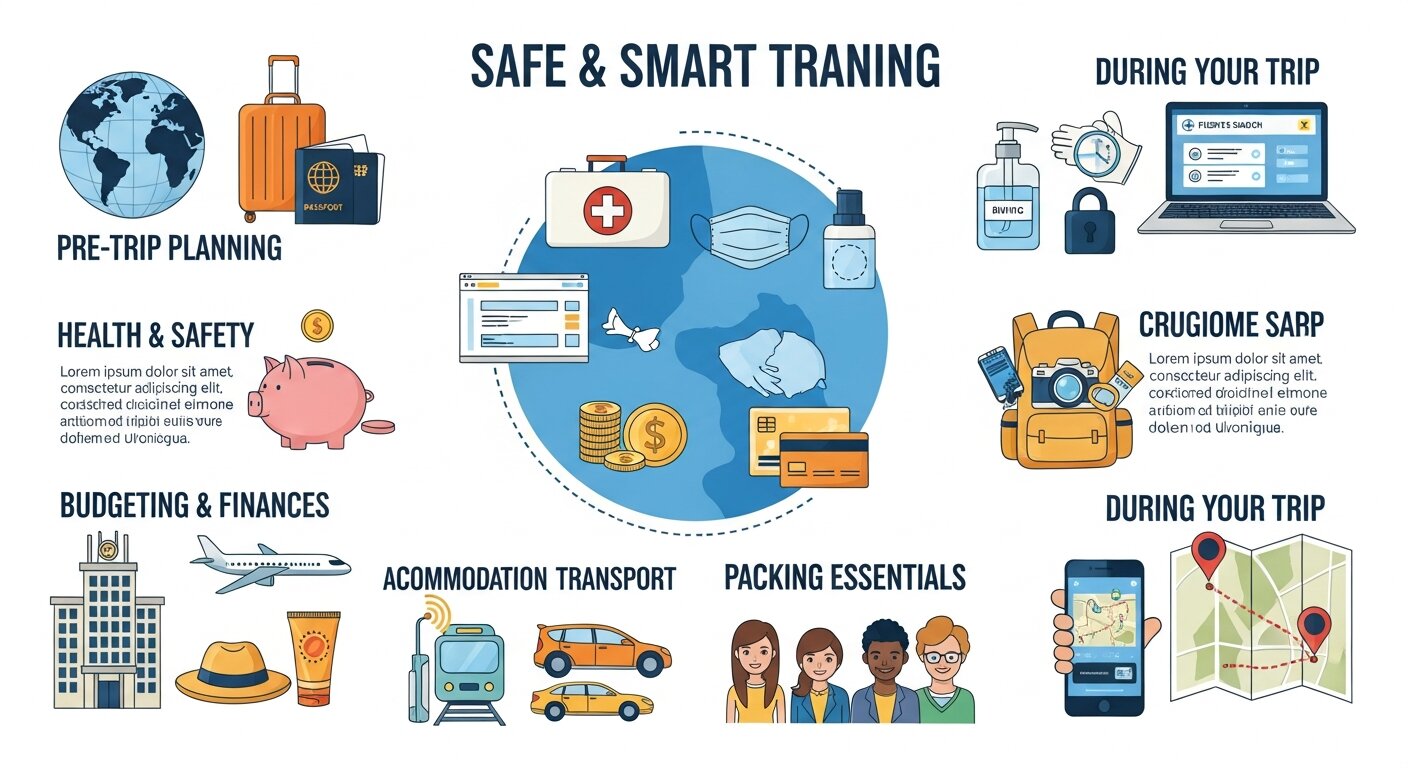
Traveling becomes easier with proper planning, preparation, and safety awareness. This guide covers budgeting, flight booking, accommodation, packing, and travel safety tips for solo, family, business, and international trips, helping travelers enjoy stress-free and well-organized journeys anywhere in the world.
Traveling is one of the most enriching experiences in life, offering the chance to explore new cultures, meet different people, and create unforgettable memories. However, a successful journey is not just about choosing a destination—it starts with smart planning, preparation, and informed decision-making.
In today’s fast-paced world, travel has become more accessible than ever, but it also comes with more options, tools, and challenges. From booking flights and hotels to packing efficiently and staying safe abroad, every step requires careful attention to detail. Without a proper plan, even the most exciting trip can quickly become stressful and disorganized.
The Ultimate Travel Planning Guide for Every Type of Trip
Planning a trip can feel overwhelming, especially when you are staring at a blank itinerary and a world full of possibilities. Figuring out flights, accommodations, and daily activities requires a systematic approach. A well-organized travel planning guide can transform a stressful process into an exciting pre-trip ritual.
Every traveler has different needs, budgets, and expectations. A backpacker exploring Southeast Asia will plan very differently than a corporate executive flying to London for a week of meetings. Understanding your specific travel style is the first step toward building an itinerary that actually works for you.
Mastering the Basics: A Beginner Travel Guide
If you are new to organizing trips, starting small is the best approach. A successful beginner travel guide focuses on the core elements of any journey: transportation, lodging, and a loose daily schedule.
Start by setting a firm budget. Knowing exactly how much money you can spend dictates your destination options. Next, choose your dates and book your major transportation early to secure the best rates. Finally, secure your accommodations. When you are just starting out, it is wise to book hotels or rentals with flexible cancellation policies. This allows you to pivot if your plans change.
Navigating International Travel Planning
Leaving your home country introduces a few extra layers of complexity. International travel planning requires meticulous attention to administrative details well before your departure date.
Always check your passport expiration date first. Many countries require your passport to be valid for at least six months beyond your planned return date. Research visa requirements for your destination as soon as you book your flights. Some visas take weeks to process, and arriving without the proper documentation can result in immediate deportation.
Additionally, look into local health guidelines. Certain regions require specific vaccinations or medications, like malaria pills. Finally, call your bank to inform them of your travel dates so they do not freeze your credit cards while you are trying to pay for dinner in a foreign city.
Tailoring Your Trip to Your Travel Style
No two trips are exactly alike. Customizing your approach based on who is going and why you are traveling ensures a better experience for everyone involved.
Solo Travel Planning Tips
Traveling alone offers ultimate freedom, but it also means you are solely responsible for your safety and logistics. Effective solo travel planning tips revolve around communication and backup plans. Share your itinerary with a trusted friend or family member back home. Keep digital and physical copies of your important documents. When booking accommodations, prioritize safety and location over the cheapest possible price. Read reviews to ensure the neighborhood is well-lit and easily accessible at night.
Family Travel Planning Guide
Coordinating a trip with children or extended family requires patience and compromise. A good family travel planning guide emphasizes pacing. Do not overpack your daily schedule. Plan one main activity per day and leave plenty of downtime for rest and spontaneous exploration. When booking flights, try to align travel times with your children’s sleep schedules. Renting a house or an apartment with a kitchen often proves much easier than squeezing a family into a standard hotel room.
Luxury Travel Planning Guide
For those looking to indulge, a luxury travel planning guide focuses on exclusivity and seamless service. Start by consulting with a specialized travel advisor or concierge service. They often have access to unlisted properties, private tours, and restaurant reservations that are otherwise impossible to secure. Focus on private transfers to avoid the stress of public transit or waiting in taxi lines.
Business Travel Planning
Work trips are all about efficiency. Successful business travel planning minimizes friction so you can focus on your professional goals. Book direct flights whenever possible to reduce the risk of delays. Choose a hotel that is within walking distance of your meeting locations or the conference center. Always sign up for airline and hotel loyalty programs, as the accumulated points can be used for your future personal vacations.
How to Plan a Trip Step-by-Step Without Stress
Taking a vacation should be a relaxing experience. The process of organizing that vacation, however, often feels like a massive chore. Booking flights, finding hotels, and figuring out what to do can quickly overwhelm anyone.
Having a clear system changes everything. When you break the process down into manageable parts, organizing your next getaway becomes exciting instead of exhausting. This approach works for quick weekend drives and month-long overseas adventures alike.
Step 1: Define Your Budget and Destination
Money dictates almost every aspect of travel. Before you look at a map or browse social media for inspiration, figure out exactly how much you can spend. Factor in flights, accommodation, food, activities, and travel insurance. Always add a ten percent buffer for unexpected expenses.
Once you know your budget, you can pick a destination. If your budget is tight, look for locations where your currency is strong. Consider off-season travel to popular spots, as prices drop significantly when the crowds leave.
Step 2: Book Your Flights and Accommodation
Flights and hotels eat up the largest portion of most travel budgets. Booking these early usually secures the best rates.
Start by tracking flight prices using aggregator websites. Set up price alerts for your chosen destination. If you have flexibility with your travel dates, flying mid-week often saves you a substantial amount of money. When reviewing international trip planning tips, experts universally recommend booking overseas flights at least three to four months in advance.
Next, secure your lodging. Hotels offer convenience and daily cleaning, while vacation rentals provide kitchens and extra space. If you are reading a family vacation planning guide, you will notice that renting a house or apartment is usually the best option for groups. It allows everyone to stay together and saves money on meals.
Step 3: Outline Your Daily Itinerary
You have your flights and a place to sleep. Now you need to decide what to do. Research the top attractions, local restaurants, and hidden gems in your destination.
Group your activities by location. You do not want to spend half your day sitting in transit because you booked a morning tour on the north side of the city and a lunch reservation on the south side. Leave room for spontaneity. Over-scheduling is a quick way to burn out.
If you are following solo trip planning steps, you have the ultimate freedom. You can schedule packed days or leave your entire afternoon open for resting at a cafe. For group travel, make sure everyone gets to pick at least one activity they really want to do.
Step 4: Handle the Logistics
Logistics might be the least glamorous part of travel, but they are absolutely essential. Double-check your passport expiration date. Many countries require your passport to be valid for at least six months beyond your planned return date.
Research visa requirements for your destination well in advance. Some visas take weeks to process. Notify your bank about your travel dates so they do not freeze your cards when you try to buy lunch in a foreign country.
Travel Planning Mistakes to Avoid
Even experienced travelers make errors. Keep these common travel planning mistakes to avoid in mind:
- Ignoring travel insurance: Medical emergencies abroad can cost tens of thousands of dollars. Always buy coverage.
- Packing too much: Lugging heavy bags through cobblestone streets or up train station stairs will ruin your mood. Stick to a carry-on if possible.
- Forgetting to check the weather: Booking a tropical beach vacation during monsoon season is a costly mistake. Research the climate for your specific travel dates.
- Booking tight layovers: A one-hour layover might look fine on paper, but a slight delay on your first flight means you miss your connection. Always leave at least two hours for domestic connections and three hours for international ones.
Use a Structured System
Keeping all your confirmation numbers, addresses, and schedules in your head is impossible. Write everything down in a centralized location. You can use a spreadsheet, a dedicated travel app, or a simple notebook.
For the most efficient organization, download a vacation planning checklist PDF. Having a physical document to tick off ensures you never forget to pack your phone charger or print your boarding pass.
Complete International Travel Guide
Boarding a plane and stepping off in a completely different country is an unmatched experience. The sights, sounds, and smells of a new destination immediately engage your senses. Exploring foreign streets allows you to learn about different cultures, taste incredible food, and gain a fresh perspective on the world.
However, getting to that magical moment requires careful planning. Traveling abroad involves logistics that domestic trips simply do not require. You have to navigate currency exchanges, visa requirements, language barriers, and long-haul flights. This planning phase can feel overwhelming, especially if you have a busy schedule.
That is exactly why we created this comprehensive resource. We have gathered the most essential strategies to help you plan an unforgettable trip. You will find tailored advice for different types of journeys, ensuring your specific needs are met.
Whether you are packing your bags for the first time, flying overseas for a corporate meeting, or bringing the whole family along, this guide has you covered. Let us walk through the fundamental steps to make your next global adventure smooth and stress-free.
First Time International Travel Tips
Stepping out of your home country for the first time is thrilling. It also requires some essential administrative work before you ever reach the airport.
Sort Out Your Documents Early
Your passport is your golden ticket. Make sure it is valid for at least six months beyond your planned return date. Many countries will turn you away at the border if your passport expires too soon. Once your passport is ready, check the visa requirements for your destination. Some nations grant visas on arrival, while others require a lengthy application process weeks in advance. Print physical copies of your passport, hotel reservations, and travel insurance. Keep these copies separate from your original documents.
Manage Your Money Smartly
Currency exchange rates fluctuate constantly. Before you leave, inform your bank that you will be traveling internationally so they do not freeze your credit cards for suspicious activity. Bring a credit card with no foreign transaction fees to save money on daily purchases. It is also wise to carry a small amount of local currency for taxis, tips, and street vendors who might not accept cards.
Solo International Travel Guide
Traveling alone grants you absolute freedom. You get to set the itinerary, choose the restaurants, and wake up whenever you please. It also means you are solely responsible for your safety and logistics.
Stay Safe and Connected
Research your destination thoroughly to understand which neighborhoods are safe and which ones to avoid after dark. Share your full itinerary with a trusted friend or family member back home, and check in with them regularly. Buy a local SIM card or an eSIM so you always have access to maps, translation apps, and emergency contacts. Trust your instincts. If a situation feels uncomfortable, remove yourself from it immediately.
Embrace the Local Culture
One of the biggest advantages of solo travel is the ability to mingle easily. Sit at the bar in local restaurants and strike up conversations with the staff. Join group walking tours or cooking classes to meet other travelers and locals. Learning a few basic phrases in the local language, such as “hello,” “thank you,” and “where is the bathroom,” goes a long way in showing respect and earning a warm welcome.
Family International Travel Tips
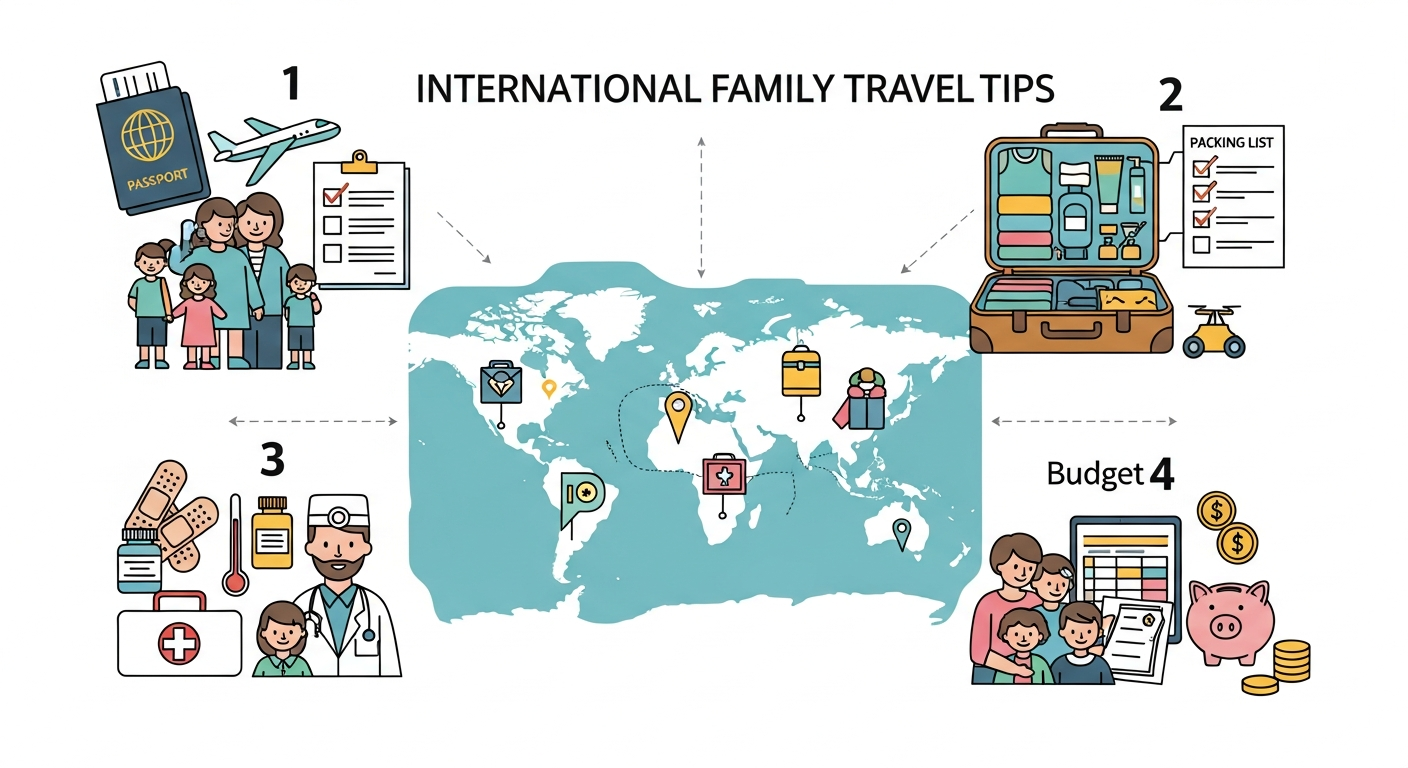
Taking your children overseas provides them with an incredible education. It also requires a vast amount of patience and flexibility.
Keep the Itinerary Loose
When you travel with kids, things will inevitably go wrong. Someone will get tired, hungry, or cranky. Do not pack your days with back-to-back museum visits and walking tours. Plan one major activity per day and leave the rest of the afternoon open for rest or spontaneous exploration. Choose family-friendly accommodations that offer extra space, such as apartment rentals with kitchens. Having a refrigerator and a stove allows you to prepare quick snacks and manage picky eaters easily.
Prepare for Long Flights
Long-haul flights test the patience of both parents and children. Pack a dedicated carry-on bag filled with entertainment. Bring coloring books, interactive toys, and a tablet loaded with their favorite movies and games. Do not forget to pack plenty of snacks, as airplane food might not appeal to young palates. Encourage your kids to drink water during the flight to stay hydrated, and bring a change of clothes for everyone in case of spills.
Navigating Business Travel Abroad
Traveling for work requires a delicate balance between professionalism and personal well-being. You need to be sharp for meetings while dealing with jet lag and a demanding schedule.
Pack Smart for Work and Play
Business attire takes up significant space in a suitcase. Stick to a neutral color palette so you can mix and match a few key items. Wear your bulkiest shoes on the plane to save luggage space. Always pack your essential work items, such as your laptop, chargers, and presentation materials, in your carry-on. If your checked bag gets lost, you can still deliver your pitch successfully.
Understand Cultural Etiquette
Business norms vary wildly across the globe. In Japan, exchanging business cards is a formal ritual that requires two hands and a slight bow. In parts of Europe, long business lunches with wine are standard practice. Research the corporate etiquette of your destination before you arrive. Knowing how to greet your hosts, when to discuss business, and how to dress will help you build strong professional relationships.
The Best Countries to Visit This Year
If you are still deciding where to go, the world is full of incredible options. Here are a few top destinations that cater to a wide variety of travel styles.
Japan
Japan offers a brilliant mix of ancient traditions and futuristic cities. You can wander through quiet bamboo forests in the morning and dine at a robot-themed restaurant at night. The public transportation system is incredibly efficient, making it easy to travel between Tokyo, Kyoto, and Osaka. The food scene is world-class, offering everything from affordable street food to high-end sushi.
Portugal
Portugal has become a favorite for travelers seeking stunning scenery without breaking the bank. Lisbon offers charming cobblestone streets and vibrant nightlife, while the Algarve coast boasts some of the most beautiful beaches in Europe. The locals are exceptionally welcoming, and the country is widely regarded as one of the safest destinations for solo travelers.
New Zealand
For adrenaline junkies and nature lovers, New Zealand is unmatched. The landscape is incredibly diverse, featuring soaring mountains, deep fjords, and lush rainforests. You can spend your days hiking, bungee jumping, or exploring the famous filming locations of The Lord of the Rings.
Secure Your International Travel Checklist PDF
Keeping track of everything you need to pack and prepare can be daunting. To make your life easier, you should utilize a structured checklist. A good international travel checklist PDF will break down your tasks timeline. It should include sections for one month before departure, one week before, and the day of your flight.
Look for a checklist that reminds you to:
- Renew passports and apply for visas
- Book flights and accommodations
- Purchase travel insurance
- Notify your bank of your travel dates
- Pack universal power adapters and chargers
- Prepare a basic first-aid kit
Having a physical document to cross off tasks provides peace of mind and ensures no crucial detail slips through the cracks.
How to travel the world on a tight budget
Traveling the globe often feels like an expensive dream reserved for the wealthy. Plane tickets, hotel rooms, and daily expenses quickly add up, leaving many people stuck at home instead of exploring new cultures. But seeing the world does not have to drain your savings account. By learning how to navigate flights, accommodations, and local transit, anyone can experience incredible destinations for a fraction of the typical cost.
Learning how to travel with less money requires a shift in mindset. It means prioritizing authentic experiences over luxury conveniences. You will need to embrace flexibility, research thoroughly, and sometimes step outside your comfort zone. The reward is a richer, more immersive travel experience that leaves your bank account intact.
How to travel with less money: The golden rules of budget travel
Before looking at specific travel styles, you need to understand the foundational principles of budget travel. These rules apply to almost every trip you take.
First, always be flexible with your travel dates. Flights are typically the most expensive part of any trip. Flying on a Tuesday or Wednesday is usually much cheaper than flying on a weekend. Use flight search engines that allow you to view prices across an entire month. This flexibility can easily save you hundreds of dollars on a single ticket.
Second, embrace slow travel. Moving to a new city every two days costs a lot of money in bus, train, and plane fares. Staying in one place for a week or longer allows you to negotiate better rates on accommodation. You also get to know the local area, discover cheap places to eat, and spend less time sitting in transit.
Finally, eat like a local. Restaurants located near major tourist attractions charge premium prices for mediocre food. Walk a few streets away from the main squares and look for places filled with locals. Street food is another incredible way to save money while tasting authentic regional dishes.
Cheap travel tips for students: Seeing the world between semesters
Students have a unique advantage when it comes to travel. You often have long breaks during the summer and winter holidays. Take advantage of this time by planning budget-friendly trips.
Your student ID card is your best asset. Many museums, historical sites, and transportation networks offer significant discounts to students. Always ask if a student rate is available before you pay full price. Sometimes, you can save up to fifty percent on entry fees just by showing your university card.
Consider studying abroad or taking part in exchange programs. Many universities offer subsidized programs that allow you to live in another country for a semester or a full year. Your financial aid and scholarships might even cover the costs. This is an incredible way to immerse yourself in a new culture while continuing your education.
Look for work exchange opportunities during your breaks. Websites exist that connect travelers with hosts who offer free room and board in exchange for a few hours of work each day. You could find yourself working on an organic farm in Italy or helping out at a hostel in Costa Rica.
Solo budget travel tips: Navigating the globe on your own
Traveling alone gives you total control over your itinerary and your budget. You never have to compromise on where to eat or where to stay.
Hostels are the lifeblood of solo budget travel. Renting a bed in a dormitory is significantly cheaper than booking a private hotel room. Hostels also provide a built-in community. You can easily meet other solo travelers to split the cost of taxis, group tours, or groceries. Many hostels offer free walking tours and affordable communal dinners.
Avoid the “single supplement” trap. Some tour companies and cruise lines charge extra fees for solo travelers occupying a two-person room. If you want to join a group tour, look for companies that pair you with a roommate of the same gender to avoid this penalty.
Walk as much as possible. Solo travelers do not have to worry about the walking pace or complaints of travel companions. Walking is completely free and allows you to discover hidden neighborhoods you would otherwise miss. When walking is not an option, use public transportation instead of expensive private taxis.
Family budget travel guide: Making memories without breaking the bank
Taking a family vacation requires more planning, but it is entirely possible on a budget. The key is finding accommodations and activities that cater to groups without charging a fortune.
Skip the standard hotel rooms. Booking multiple hotel rooms for a family quickly becomes unaffordable. Instead, look for vacation rentals or apartments. Having access to a full kitchen is a massive money saver. You can buy groceries at local markets and cook breakfast and dinner at your rental. This eliminates the need to feed an entire family at restaurants three times a day.
Look for destinations with free outdoor attractions. National parks, public beaches, and extensive hiking trails provide endless entertainment for kids and adults alike. Nature is free. Focus your itinerary on outdoor exploration rather than expensive theme parks or guided tours.
Travel during the shoulder season. School holidays dictate when most families travel, causing prices to skyrocket during the peak summer months. If you can manage to travel slightly before or after the main rush, you will find heavily discounted flights and accommodations.
Backpacking budget tips: Stretching every dollar on the trail
Backpackers are the ultimate budget travelers. The goal is to extend the trip for as long as possible by keeping daily expenses incredibly low.
Pack light to avoid baggage fees. Budget airlines offer incredibly cheap base fares, but they make their money by charging for checked luggage. Travel with a single carry-on backpack. Doing laundry in a sink is a small price to pay for saving fifty dollars per flight on baggage fees.
Take overnight transit. When you need to move between cities or countries, book an overnight bus or train. The ticket might cost slightly more than a daytime journey, but you save the cost of a night’s accommodation. You also save precious daylight hours for exploring your destination rather than staring out a window.
Track every single penny. When you travel for months at a time, small purchases add up rapidly. Use a budgeting app on your phone to record every coffee, bus ticket, and hostel bed. Reviewing your daily spending helps you identify areas where you need to cut back so you can keep traveling longer.
Best Travel Destinations
Planning a trip can feel overwhelming when the globe is covered in incredible places to visit. You might want a relaxing beach getaway, an adventurous trek through the mountains, or a cultural deep dive into an ancient city. Selecting the perfect spot depends heavily on who you are traveling with and what kind of experience you want to have.
Every traveler has unique needs and expectations. A couple seeking a romantic escape will look for different amenities than a family traveling with young children. Safety, budget, and accessibility also play massive roles in the decision-making process. Knowing which locations cater to your specific travel style can save you hours of stressful research.
Best Travel Destinations for Couples
Romantic trips require a mix of beautiful scenery, great food, and opportunities to connect. The best travel destinations for couples offer a balance of relaxation and shared activities.
Santorini, Greece
Santorini is famous for its whitewashed buildings and stunning sunsets over the Aegean Sea. Couples can spend their days exploring vineyards, taking boat tours to volcanic hot springs, and enjoying intimate dinners on cliffsides. The island’s unique architecture and breathtaking views make it a top choice for honeymoons and anniversary trips.
Kyoto, Japan
For couples who appreciate culture and tranquility, Kyoto offers a deeply romantic atmosphere. You can walk hand-in-hand through the Arashiyama Bamboo Grove or visit historic temples surrounded by cherry blossoms in the spring. Traditional tea ceremonies and stays in authentic ryokans provide memorable experiences that you can share together.
Best Travel Destinations for Families
Traveling with children means finding locations that offer engaging activities, safety, and convenience. The best travel destinations for families cater to all age groups, ensuring everyone has a memorable time.
Costa Rica
Costa Rica is a paradise for families who love nature and wildlife. You can zipline through cloud forests, relax on pristine beaches, and spot sloths and monkeys in national parks. The country is well-equipped for tourism, making it easy to navigate with children while providing endless educational and adventurous activities.
Orlando, Florida
Known as the theme park capital of the world, Orlando remains a staple for family vacations. Beyond Walt Disney World and Universal Studios, the area offers water parks, interactive museums, and nearby nature reserves. The abundance of family-friendly resorts and dining options makes planning incredibly straightforward.
Safest Countries to Travel To
Safety is a primary concern for many travelers, especially those going solo or venturing abroad for the first time. Choosing the safest countries to travel to provides peace of mind so you can focus on enjoying your trip.
Iceland
Iceland consistently ranks at the top of the Global Peace Index. It boasts extremely low crime rates and a welcoming culture. Visitors can safely drive the Ring Road to witness waterfalls, geysers, and the Northern Lights. The country’s strong infrastructure and focus on tourism make it a secure and spectacular destination.
New Zealand
New Zealand is renowned for its low crime rate, stable political environment, and friendly locals. Whether you are bungee jumping in Queenstown or hiking the Milford Track, you can do so with a high sense of security. The country’s healthcare system and emergency services are also top-notch, providing an extra layer of reassurance.
Visa-Free Travel Destinations
Dealing with visa applications can be tedious and expensive. Choosing visa-free travel destinations allows for spontaneous trips and smoother planning. Note: Visa-free access depends on your passport, so always check your specific requirements.
The Schengen Area (For Many Passports)
Many travelers can visit the 27 European countries in the Schengen Area without a visa for up to 90 days. This allows you to hop on a train in Paris, enjoy lunch in Brussels, and spend the evening in Amsterdam without worrying about border checks. It is the ultimate region for multi-country itineraries.
Japan and South Korea
For many Western passport holders, countries like Japan and South Korea offer visa-free entry for short-term tourism. Both destinations provide seamless public transportation, incredible food scenes, and a rich blend of ancient history and cutting-edge technology. Bypassing the visa process makes exploring East Asia much more accessible.
Off the Beaten Path Destinations
If you want to avoid massive crowds and discover unique cultures, heading to off the beaten path destinations is the way to go. These locations offer authentic experiences away from typical tourist traps.
Georgia (The Country)
Nestled at the intersection of Europe and Asia, Georgia is a hidden gem known for its rugged mountains and ancient wine-making traditions. The capital, Tbilisi, features cobblestone streets and sulfur baths, while the Caucasus Mountains provide incredible trekking opportunities. It remains highly affordable and relatively untouched by mass tourism.
Bhutan
Bhutan is a small Himalayan kingdom that measures its success by Gross National Happiness. To visit, tourists must pay a daily tariff, which keeps visitor numbers low and preserves the country’s pristine environment and deep Buddhist traditions. Hiking to the iconic Tiger’s Nest monastery is an unforgettable experience for those willing to make the journey.
Travel Booking Guide for Flights, Hotels, and Transport
Planning a trip can often feel overwhelming. Between finding the best deals on flights, choosing the perfect neighborhood for your hotel, and figuring out how to get from the airport to your room, the logistics pile up quickly. You want to enjoy your vacation, but the sheer volume of options and decisions can drain the excitement before you even pack your bags.
A complete travel booking guide can turn this stressful process into a seamless experience. Breaking down the planning phases allows you to tackle each element systematically. Knowing exactly when and where to look for reservations gives you a major advantage, saving you both time and money.
The Step-by-Step Travel Booking Process
Organizing your itinerary in the correct order prevents scheduling conflicts and ensures you get the best rates. Follow this structured approach to lock in your plans.
Step 1: Lock in Your Flights
Your flights dictate the exact dates of your trip. Start your search by using flight aggregation tools like Google Flights or Skyscanner. These platforms allow you to compare prices across multiple airlines and view flexible dates. Being open to flying a day earlier or later can drastically reduce your ticket cost. Always book your flights before paying for hotels or tours, as flight availability fluctuates the most.
Step 2: Secure Your Accommodation
Once you have your flight confirmation, you know exactly when you will arrive and depart. Now it is time to find a place to sleep. Determine your budget and decide what type of accommodation fits your needs. Hotels offer consistency and amenities, while vacation rentals provide more space and kitchen facilities. Use map views on booking sites to ensure your chosen spot is close to public transit or the main attractions you plan to visit.
Step 3: Arrange Ground Transportation
Figuring out how to navigate a new city is a crucial step that many travelers leave until the last minute. Research your airport transfer options ahead of time. Look into local train systems, bus routes, and ride-share availability. If you plan to explore regions outside the main city, booking a rental car in advance guarantees availability and better rates.
Beginner Travel Booking Tips for Stress-Free Planning
If you are new to planning trips, a few foundational rules will make the process much easier. First, always clear your browser cookies or use an incognito window when searching for flights and hotels. Travel websites track your searches and may increase prices if they see you repeatedly looking at the same route.
Second, read reviews carefully. A hotel might look beautiful in professional photos, but guest reviews will tell you if the Wi-Fi actually works or if the street outside is noisy. Finally, consider purchasing travel insurance. It provides a safety net for trip cancellations, lost luggage, or unexpected medical emergencies.
Navigating an International Travel Booking Guide
Going abroad requires extra layers of preparation. When booking international flights, aim to purchase your tickets at least three to six months in advance for the best rates. Double-check your passport expiration date before you pay for anything; many countries require your passport to be valid for at least six months beyond your planned return date.
Also, familiarize yourself with visa requirements for your destination. Some countries allow you to obtain a visa on arrival, while others require a lengthy application process weeks in advance. When booking international hotels, look for places that offer 24-hour front desks, as your flight might arrive late at night or early in the morning due to time zone changes.
Business Travel Booking Tips for Maximum Efficiency
Corporate travel demands efficiency and reliability. When traveling for work, prioritize direct flights whenever possible to minimize the risk of delays and missed connections. Sign up for airline and hotel loyalty programs. Even if your company pays for the trip, you can usually accumulate the reward points for your personal use.
Choose accommodations that cater to business professionals. Look for hotels that offer high-speed internet, ample workspace in the room, and proximity to your meeting locations. Booking a hotel near the conference center or client office saves valuable time and reduces transportation costs. Keep all your receipts organized digitally by using expense tracking apps, which makes filing reports upon your return much simpler.
Family Vacation Booking Guide: Keeping Everyone Happy
Traveling with children or a large extended family requires a completely different approach. When booking flights, try to schedule departures that align with your children’s natural sleep schedules to avoid mid-air meltdowns. Pay the extra fee to select your seats in advance so you guarantee the family sits together.
For accommodations, vacation rentals or suite-style hotels are usually the best option. Having access to a kitchen allows you to prepare quick meals and snacks, which saves money and keeps hungry kids happy. Look for properties with family-friendly amenities like pools, game rooms, or easy access to parks. When arranging transport, ensure your rental car is large enough to comfortably fit all passengers and luggage, and verify the laws regarding car seats in your destination.
Travel Packing Checklist for Every Trip
Packing for a trip often brings a mix of excitement and anxiety. You want to bring everything you might need without lugging around a heavy, overstuffed suitcase. Leaving behind a crucial item can cause unnecessary stress, while overpacking leads to baggage fees and exhaustion.
A reliable packing strategy solves these common travel frustrations. Having a structured system ensures you remember your toothbrush, passport, and phone charger, while also leaving room for souvenirs. It removes the guesswork from your pre-trip routine and lets you focus on the journey ahead.
The Core Essentials: What Every Traveler Needs
Before looking at specific types of trips, we need to establish a baseline. Every traveler, regardless of their destination, requires a foundational set of items.
Important Documents and Money
Your trip cannot happen without the right paperwork and funds. Always keep these items in a secure, easily accessible spot like a money belt or a zippered personal bag.
- Valid passport or government-issued ID
- Printed boarding passes and travel itineraries
- Travel insurance details and emergency contacts
- Credit cards, debit cards, and a small amount of local currency
- Health insurance cards and necessary medical documentation
Basic Clothing and Footwear
Selecting versatile clothing is the secret to packing light. Choose pieces that you can mix and match to create multiple outfits.
- Lightweight, weather-appropriate tops
- Comfortable bottoms (jeans, shorts, or travel pants)
- Underwear and socks for each day (plus two extra pairs)
- Sleepwear
- One lightweight jacket or sweater for layering
- Comfortable walking shoes
- One pair of versatile dress shoes or sandals
Toiletries and Personal Care
While you can buy most toiletries at your destination, bringing your own saves time and money. Use travel-sized containers to comply with airline liquid regulations.
- Toothbrush, toothpaste, and dental floss
- Deodorant and antiperspirant
- Travel-sized shampoo, conditioner, and body wash
- Skincare basics (cleanser, moisturizer, and sunscreen)
- Hairbrush or comb
- Prescription medications in their original bottles
- Basic first-aid supplies (bandages, pain relievers, antacids)
Electronics and Entertainment
Staying connected and entertained makes long transit days much more manageable.
- Smartphone and protective case
- Universal charging cables and wall adapters
- High-capacity power bank
- E-reader or physical book
- Noise-canceling headphones or earbuds
Family Travel Packing Checklist
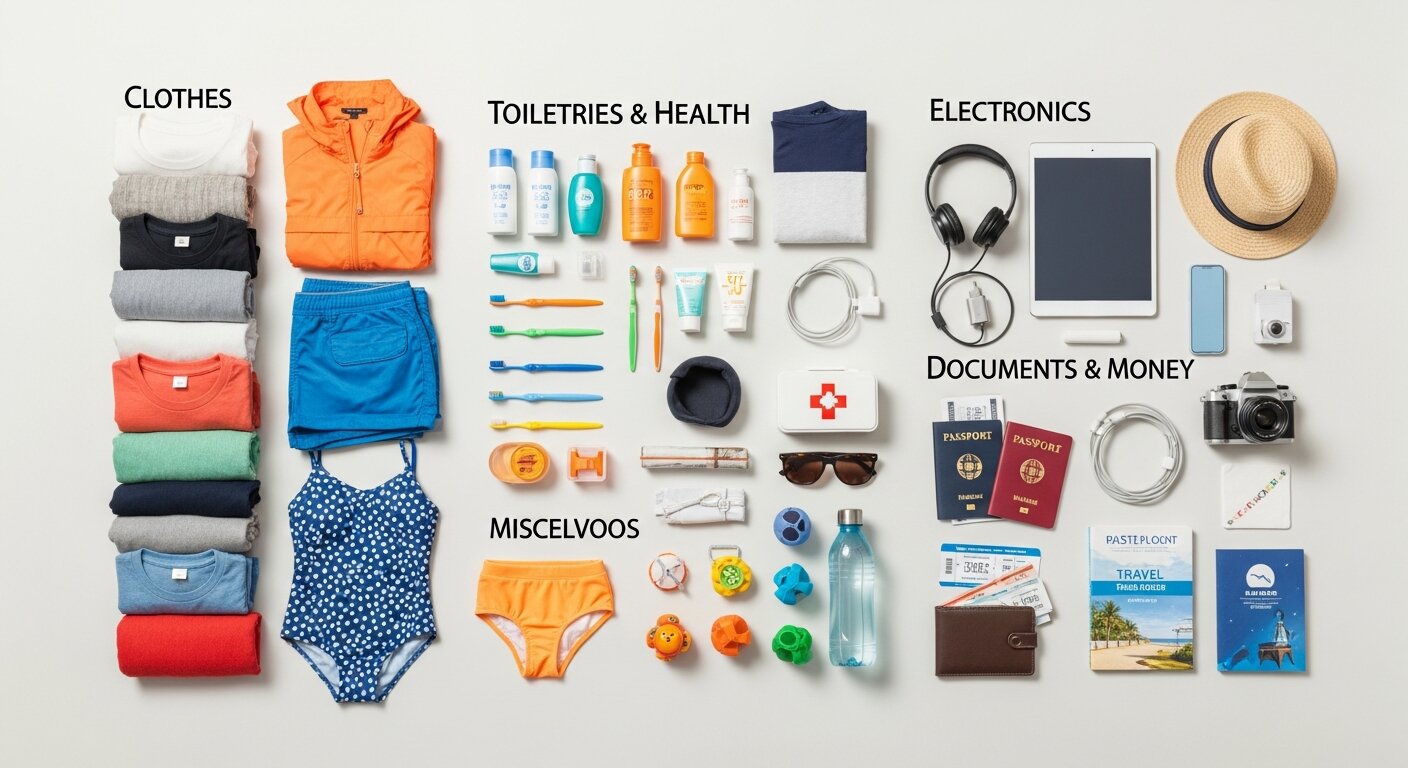
Traveling with children requires an entirely different level of preparation. A well-thought-out family travel packing checklist minimizes meltdowns and keeps everyone comfortable.
When packing for kids, always bring more snacks and wipes than you think you will need. Flight delays and long car rides happen, and hungry children make these delays feel much longer. Pack a dedicated “entertainment bag” filled with coloring books, tablets, headphones, and a few new small toys to keep them occupied.
Do not forget child-specific medical supplies. A digital thermometer, children’s pain reliever, and allergy medication are absolute necessities. If you are traveling with an infant, calculate the number of diapers you need for the transit period and add an extra day’s worth. You can usually buy bulk diapers at your destination, but you do not want to run out on an airplane.
Solo Travel Packing Guide
Heading out into the world alone offers incredible freedom. However, a good solo travel packing guide must prioritize safety and self-reliance. Since you do not have a companion to watch your bags or lend you a spare phone charger, your packing strategy must be foolproof.
Safety items take top priority for solo travelers. Pack a personal safety alarm or whistle, and consider a portable door lock for added security in hotel rooms or hostels. A discreet money belt helps protect your cash and passport from pickpockets in crowded tourist areas.
Technology also plays a massive role in solo travel. Bring a backup power bank because a dead phone leaves you without maps, translation apps, or a way to call for help. Finally, pack a small tripod or a selfie stick. This allows you to capture memories of yourself in beautiful locations without constantly asking strangers to take your photo.
Business Travel Packing List
Corporate trips demand efficiency and professionalism. Your business travel packing list should focus on keeping your professional attire wrinkle-free and your electronics fully charged.
Invest in a high-quality carry-on suitcase and a professional personal item, such as a leather briefcase or a sleek laptop backpack. Checking a bag adds unnecessary time to your trip, and lost luggage can ruin a major presentation. Pack neutral, professional clothing that resists wrinkles. A classic navy or black blazer can dress up a simple outfit for unexpected client dinners.
Organization is critical for business travelers. Use a dedicated tech organizer pouch to keep cables, flash drives, and presentation clickers untangled. Always pack a portable steamer to quickly remove suitcase wrinkles from your shirts before morning meetings.
International Trip Packing Tips
Crossing borders introduces new challenges, from different electrical outlets to varying climates. These international trip packing tips will help you navigate foreign environments with ease.
First, secure a high-quality universal power adapter. Different countries use different plug shapes and voltage standards, and a universal adapter ensures your devices charge safely anywhere in the world. Next, organize your documentation. Make two physical copies of your passport and visa; keep one in your suitcase and leave the other with a trusted friend at home.
Consider the cultural norms of your destination. Many countries have conservative dress codes, especially when visiting religious sites. Pack a lightweight scarf or pashmina to cover your shoulders, and bring clothing that covers your knees. Finally, bring a small travel laundry kit with detergent packets and a sink stopper. Washing a few items in your hotel room dramatically reduces the amount of clothing you need to pack for a multi-week international trip.
Weekend Trip Packing Checklist
Short getaways require speed and simplicity. A weekend trip packing checklist should easily fit into a single duffel bag or a small backpack.
For a two-day trip, strict outfit planning is essential. Wear your bulkiest items (like a jacket and sneakers) on the travel day to save space in your bag. Pack exactly two versatile outfits, plus sleepwear and undergarments. Avoid bringing items “just in case.” If an unexpected situation arises, you can usually buy a cheap umbrella or a pair of socks locally.
Streamline your toiletries by transferring your daily products into tiny, reusable travel jars. You only need enough face wash and moisturizer for two nights, so leaving full-sized bottles at home drastically cuts down on weight and bulk.
Grab Your Vacation Packing Checklist PDF
Having a digital guide is helpful, but sometimes you need a physical list to check off as you place items into your suitcase. Printing a physical document helps you visualize what you have and what you are missing.
To make your life easier, we have compiled all these essentials into a downloadable format. Keep a printed copy inside your suitcase between trips so you never have to start from scratch. Using a vacation packing checklist PDF guarantees consistency, reducing the mental load of preparing for your next holiday.
Smart Travel Tips: Your Guide to Staying Safe Abroad
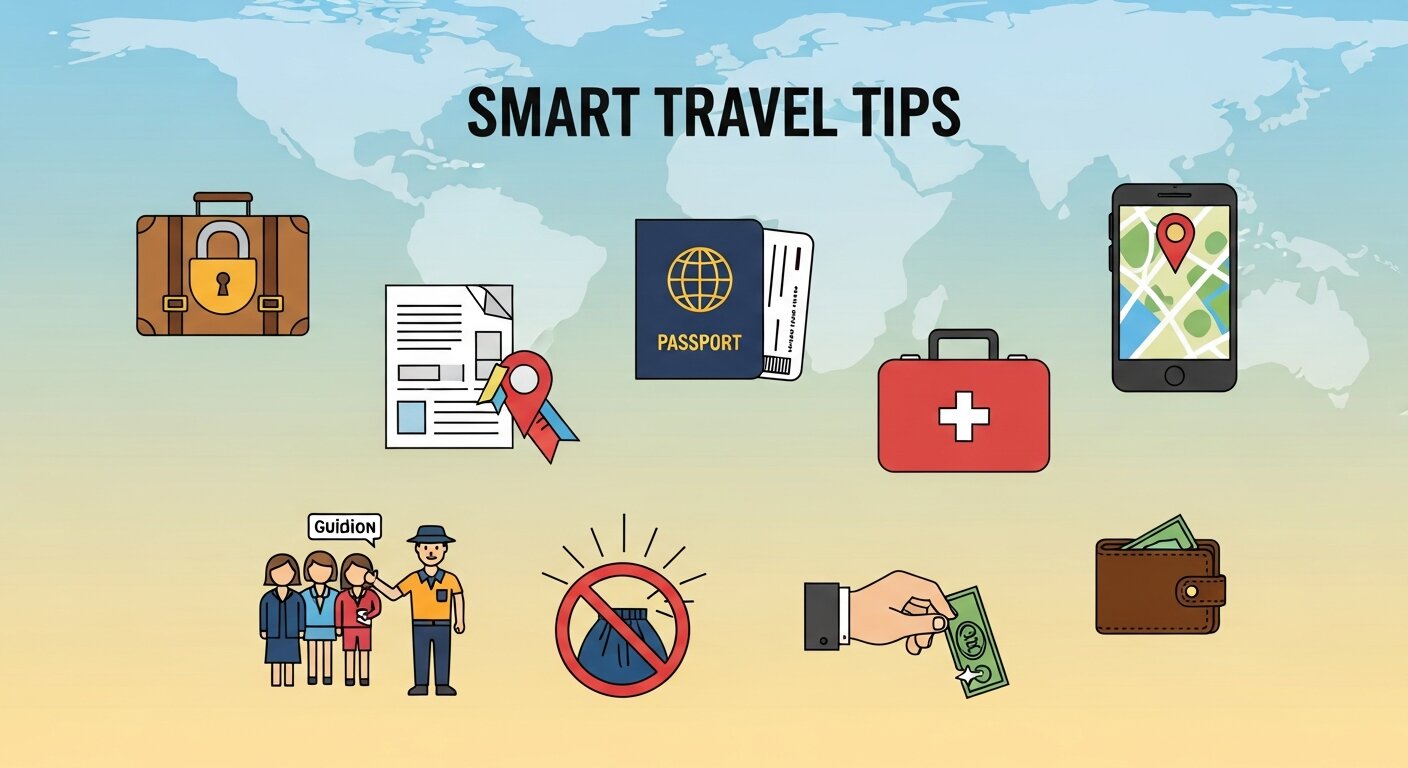
Traveling brings incredible experiences, from tasting local cuisines to standing before world-famous historical landmarks. Planning the fun parts of a vacation is easy. However, ensuring your well-being throughout the trip requires deliberate preparation and awareness. A dream vacation can quickly become stressful if you lose your passport, encounter a local scam, or find yourself in an unfamiliar, poorly lit neighborhood.
Preparing ahead of time helps prevent these negative situations. When you know how to protect yourself and your belongings, you can relax and truly immerse yourself in the culture. Security doesn’t mean living in fear; it means adopting smart habits that blend seamlessly into your daily itinerary.
Navigating Transit Hubs with Confidence
The journey begins long before you reach your hotel. Airports and train stations are bustling hubs filled with distracted tourists, making them prime targets for opportunists. Implementing robust airport safety tips will start your trip on the right foot. Always keep your luggage within your line of sight, even when sitting at a departure gate or grabbing a coffee. Use TSA-approved locks on your checked bags to deter tampering, and keep your most valuable items—like laptops, cameras, and travel documents—in your carry-on.
Once you arrive at your destination, you need to reach your accommodation securely. A reliable safe transportation travel guide emphasizes the importance of using official taxi stands or reputable ride-sharing apps. Avoid accepting rides from aggressive drivers soliciting passengers inside the arrivals terminal. If you plan to use public transportation, research the routes and ticketing systems before you land. Looking confused while holding a map or staring at your phone at a busy bus stop instantly marks you as a tourist. Walk with purpose, and if you need to check directions, step into a shop or cafe.
Tailored Advice for Different Travelers
Safety is not a one-size-fits-all concept. Depending on who you are and who you are traveling with, your security strategies will naturally differ.
Hitting the Road Alone
Exploring a new city by yourself offers unmatched freedom. You set the pace and choose the itinerary. However, implementing strict solo travel safety tips is essential. Always share your detailed itinerary with a trusted friend or family member back home. Establish a daily check-in routine, whether it is a quick text message or a brief phone call. If your plans change, update your emergency contact immediately. Furthermore, learn to trust your instincts. If a situation, location, or person makes you feel uncomfortable, remove yourself from the environment without worrying about being polite.
Security Strategies for Women
Women often face unique challenges when exploring unfamiliar regions. A dedicated female travel safety guide heavily focuses on situational awareness and cultural respect. Research the local customs regarding dress codes before packing your suitcase. Blending in with the local population often deflects unwanted attention. When booking accommodations, read reviews specifically left by other women. Look for hotels or hostels with secure entrances, 24-hour reception desks, and well-lit surrounding streets. Consider carrying a door wedge alarm for added peace of mind when sleeping in a new place.
Protecting Your Loved Ones
Managing a group, especially one with young children, requires extra vigilance. Effective family travel safety tips start with clear communication. Before leaving home, talk to your children about what to do if they get separated from you in a crowd. Point out what local police officers or store clerks look like so they know who to ask for help. Give younger children a card with your contact information and hotel address to keep in their pockets. Additionally, pack a comprehensive first-aid kit containing essential medications, bandages, and sanitizers to handle minor emergencies on the go.
Staying Secure After Dark
The atmosphere of a city changes dramatically once the sun goes down. Exploring the local nightlife is fun, but it requires specific night travel safety precautions. Stick to well-lit, populated streets and avoid taking shortcuts through empty parks or quiet alleys. If you are drinking, keep an eye on your beverage at all times and know your limits. Intoxication significantly lowers your situational awareness and makes you vulnerable.
When returning to your hotel late at night, opt for a licensed taxi or ride-share instead of walking, even if the distance seems short. Travel in groups whenever possible. If you are traveling alone, make friends at your hostel or join an organized evening walking tour to enjoy the sights with the safety of numbers.
Guide to Travel Safety and Smart Trip Planning
Exploring new destinations is one of life’s most rewarding experiences. Venturing outside your comfort zone allows you to discover different cultures, taste incredible food, and create memories that last a lifetime. However, stepping into unfamiliar territory also requires a solid plan to protect yourself, your belongings, and your loved ones.
Understanding how to navigate a new environment securely can make the difference between a dream vacation and a stressful ordeal. You do not need to let anxiety dictate your itinerary. Instead, a few proactive strategies will empower you to explore with confidence and peace of mind.
Mastering the Airport Safety Guide
Your journey begins long before you reach your hotel. Airports are bustling hubs filled with distractions, making them prime locations for lost items or petty theft. An effective airport safety guide starts with luggage management. Always keep your bags within your line of sight and use TSA-approved locks to secure your zippers.
When moving through security checkpoints, send your valuable items through the scanner last. This ensures you can walk through the metal detector and immediately collect your laptop, wallet, and passport. Additionally, be cautious when connecting to airport Wi-Fi networks. Avoid accessing sensitive accounts like online banking on unsecured public networks, or use a reliable Virtual Private Network (VPN) to encrypt your data.
Solo Travel Safety Tips for Confident Explorers
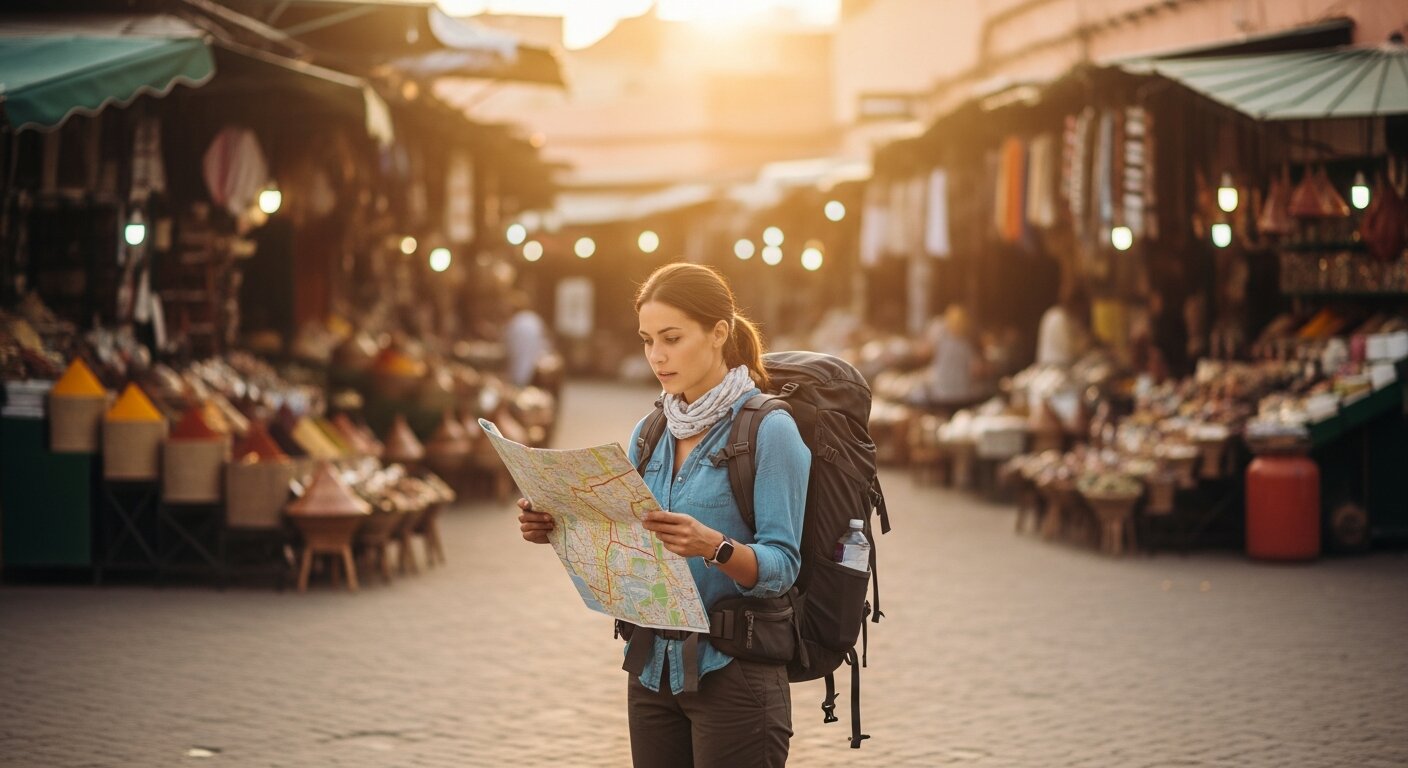
Traveling alone offers unparalleled freedom. You set the schedule, choose the restaurants, and decide when to rest. To enjoy this independence fully, you must prioritize your personal security.
One of the most critical solo travel safety tips is to share your itinerary with someone back home. Send a trusted friend or family member your flight details, hotel addresses, and a general outline of your daily plans. Make a habit of checking in with them periodically.
Try to blend in with the local crowd. Studying a map in the middle of a busy sidewalk or flashing expensive camera gear instantly marks you as a tourist. Map your route before leaving your accommodation and walk with purpose. If you ever feel lost or uncomfortable, step into a shop or cafe to regroup rather than standing on a street corner.
A Dedicated Female Travel Safety Guide
Women traveling alone or in small groups often face unique security considerations. A comprehensive female travel safety guide emphasizes the importance of researching destination-specific cultural norms before arrival. Dress codes and social expectations vary widely across the globe. Adhering to local customs shows respect and helps deflect unwanted attention.
Trust your intuition implicitly. If a situation, location, or person makes you feel uneasy, remove yourself immediately without worrying about appearing impolite. When booking accommodations, read reviews specifically left by other female travelers. Opt for hotels or hostels with 24-hour front desk security and request a room above the ground floor.
Family Travel Safety Tips: Protecting Your Loved Ones
Managing a group dynamic adds a layer of complexity to vacation planning. Implementing effective family travel safety tips ensures that both parents and children can relax and enjoy the trip.
Establish a clear protocol for what to do if you get separated in a crowded area. Teach young children to identify safe adults, such as police officers or store clerks with nametags. Consider writing your contact information on a piece of paper and tucking it into your child’s pocket.
Pack a robust first-aid kit tailored to your family’s specific medical needs. Include basic bandages and pain relievers, alongside plenty of extra prescription medications. Research the location of the nearest hospital or urgent care clinic relative to your hotel so you know exactly where to go in a medical emergency.
Safe Transportation Tips Abroad
Moving from point A to point B in a foreign country can be intimidating. Following safe transportation tips abroad minimizes your risk of scams and accidents.
When taking taxis, only use officially licensed vehicles. You can usually find authorized taxi stands outside airports and major train stations. Avoid accepting rides from aggressive drivers soliciting passengers inside the terminal. If you prefer rideshare applications like Uber or Lyft, verify the driver’s license plate and name before getting into the car.
Public transportation is often the most cost-effective way to get around, but it requires vigilance. Keep a firm grip on your belongings on crowded buses or subway cars, as these are prime locations for pickpockets. Wear your backpack on your front in tightly packed spaces and keep your wallet in a front pocket.
Night Travel Safety Tips: Navigating After Dark
The atmosphere of a city changes dramatically once the sun goes down. Applying specific night travel safety tips will help you enjoy the evening securely.
Stick to well-lit, heavily populated streets. Avoid taking shortcuts through empty alleys or poorly illuminated parks, even if a navigation app suggests it is the fastest route. If you plan to drink alcohol, monitor your intake carefully and never leave your beverage unattended.
Whenever possible, travel with a group at night. If you must travel alone after dark, consider paying for a reputable taxi or rideshare directly to your door instead of walking or taking public transit late at night.
Guide to the Best Travel Tools & Apps
Planning a trip can easily become overwhelming when you have flights to book, itineraries to manage, and budgets to track. Fortunately, your smartphone is the ultimate travel companion. By downloading the right applications, you can transform a stressful planning process into a seamless experience.
Whether you are coordinating a massive family vacation, navigating foreign transit systems on a solo backpacking trip, or organizing corporate expense reports, technology offers a solution. The right software can help you translate languages offline, find last-minute accommodation, and keep your loved ones updated on your location.
Must-Have Travel Apps for Every Journey
Certain applications belong on every traveler’s phone, regardless of the destination. These foundational tools help you navigate airports, book accommodations, and manage your daily itinerary.
Google Maps remains a non-negotiable download. Its offline map feature allows you to navigate new cities without using expensive cellular data. Simply download the map of your destination city while connected to Wi-Fi, and the GPS will still track your location as you walk around.
TripIt is another standout for basic organization. Instead of digging through your inbox for flight confirmations and hotel reservations, you forward all your emails to the app. TripIt automatically compiles them into a master itinerary that you can access anywhere.
Top Travel Apps for International Travel
Going abroad requires a bit more preparation. Language barriers and unfamiliar currencies can make basic transactions confusing. The top travel apps for international travel specifically solve these cross-border challenges.
Google Translate
Communication is crucial when you leave your home country. Google Translate allows you to download entire language packs for offline use. The camera translation feature is particularly helpful; you just point your phone at a menu or street sign, and the text translates on your screen instantly.
XE Currency
Calculating exchange rates in your head often leads to overspending. XE Currency provides live, up-to-the-minute exchange rates. You can store multiple currencies on your dashboard, making it incredibly easy to see exactly how much that souvenir costs in your home currency.
Essential Solo Travel Apps
Exploring the world alone is incredibly rewarding, but it requires a heightened focus on safety and connection. Solo travel apps help you meet fellow explorers while keeping you secure.
Tourlina is a fantastic networking app designed exclusively for female travelers looking to find travel companions. It verifies users to ensure a safe environment for connecting with others on similar routes.
For safety, bSafe is highly recommended. It features an SOS button that can alert designated contacts with your exact GPS location. It can also record audio and video from your phone if you ever feel threatened, giving you peace of mind as you explore new places independently.
Family Travel Planning Apps
Coordinating a trip for multiple people involves juggling different schedules, preferences, and packing lists. Family travel planning apps simplify this logistical puzzle.
PackPoint takes the stress out of packing for a family. You enter your destination, travel dates, and planned activities. The app checks the weather forecast and generates a customized packing list. You can share the list with family members and check off items as they go into the suitcase.
Wanderlog is excellent for collaborative trip building. It allows multiple people to add places to visit, restaurants to try, and notes about the daily schedule. The visual map layout helps families see exactly how far apart different attractions are, preventing over-ambitious daily plans.
Streamline Work with Business Travel Tools
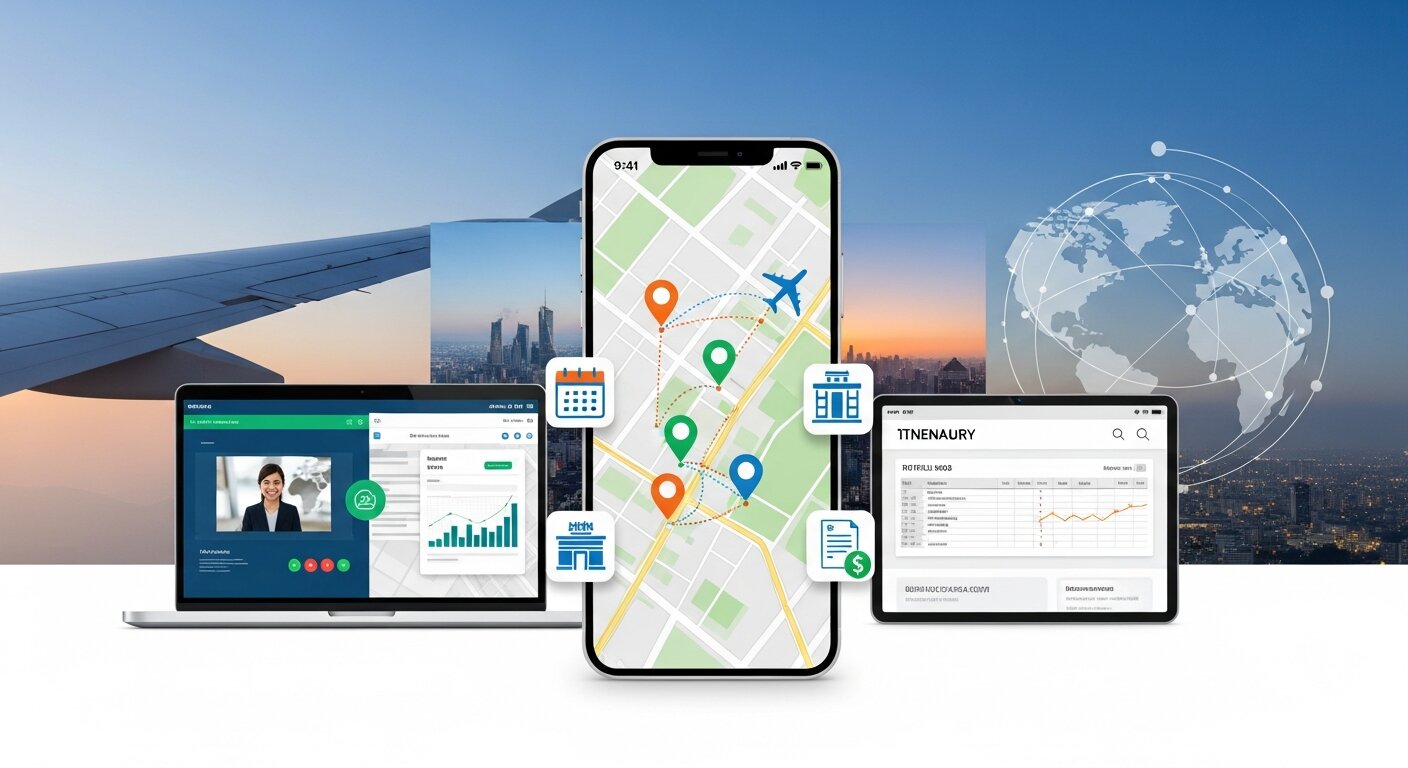
Corporate travel comes with its own set of administrative burdens, namely tracking expenses and maximizing productivity while on the move. The best business travel tools handle the paperwork so you can focus on your meetings.
Expensify completely automates the receipt-tracking process. You simply snap a photo of your dinner receipt, and the app extracts the merchant, date, and amount. It then automatically categorizes the expense and adds it to an exportable report, saving you hours of manual data entry at the end of your trip.
For flight tracking, FlightAware is indispensable for the frequent flyer. It tracks delays, gate changes, and cancellations in real-time, often alerting you to schedule changes before the airline even makes an announcement at the gate.
Next Steps for Your Upcoming Trip
Downloading the right applications is just the first step toward a better travel experience. Take some time to set up your accounts, download offline maps, and familiarize yourself with the interfaces before you leave for the airport. Doing this preparation at home ensures you will not be wasting precious vacation time trying to figure out how a new app works.
Review your travel plans and identify your biggest pain points. Choose two or three apps from this list to test out on your next journey. You will likely find that a small digital upgrade makes a massive difference in how much you enjoy your time away from home.
Conclusion:
A well-planned trip turns travel into a smooth and enjoyable experience. From booking flights and organizing accommodation to packing smart and staying safe, every step matters. With the right strategy and preparation, you can explore the world confidently and without unnecessary stress.
Frequently Asked Questions (FAQs)
1. What is the first step in planning a trip?
The first step is setting a clear budget and choosing your destination. Your budget determines where you can go, how long you can stay, and the type of accommodation and activities you can afford. After that, you can move on to booking flights and planning your itinerary.
2. How early should I book flights for the best price?
For domestic trips, booking 1–3 months in advance is usually best. For international travel, 3–6 months ahead often gives the lowest fares. Booking early and being flexible with dates can significantly reduce costs.
3. What are the most important travel documents I need?
You must have a valid passport, visa (if required), travel insurance, flight tickets, and hotel confirmations. It’s also smart to keep digital and printed copies of all important documents in case of emergencies.
4. How can I travel safely as a solo traveler?
Always share your itinerary with someone you trust, stay in well-reviewed accommodations, avoid risky areas at night, and keep emergency contacts accessible. Trust your instincts and use secure transportation options.
5. What is the best way to save money while traveling?
Book flights early, travel during off-peak seasons, stay in budget accommodations or hostels, eat local food, and use public transportation. Planning ahead and avoiding tourist-heavy areas can also reduce costs.
6. How do I avoid common travel mistakes?
Avoid overpacking, skipping travel insurance, booking tight flight connections, and ignoring weather conditions. Always double-check your bookings and keep extra time between transfers.
7. What should I pack for a trip?
Pack essentials like clothing, toiletries, travel documents, chargers, medications, and comfortable shoes. Always pack according to the weather and duration of your trip, and avoid unnecessary items.
8. Is travel insurance really necessary?
Yes, travel insurance is very important. It protects you from unexpected situations like medical emergencies, flight cancellations, lost luggage, or accidents, saving you from large financial losses.
9. How can families plan a stress-free vacation?
Keep the itinerary simple, avoid over-scheduling, choose family-friendly accommodation, and include rest time between activities. Planning meals and entertainment for kids also helps reduce stress.
10. What are the safest ways to get around in a new country?
Use official taxis, trusted ride-sharing apps, or public transportation systems. Avoid unlicensed drivers, plan routes in advance, and always stay aware of your surroundings, especially at night.
