



Sustainable travel focuses on exploring the world responsibly by reducing environmental impact and supporting local communities. By choosing eco-friendly transportation, green accommodations, and low-waste habits, travelers can protect natural resources and cultural heritage. With modern tools like carbon calculators and sustainability ratings, planning a responsible trip is easier than ever.
In today’s digital landscape, more travelers are rethinking the environmental footprint of their adventures. sustainable travel has evolved into a thoughtful philosophy that blends exploration with stewardship of the planet. Unlike conventional tourism—which can strain ecosystems, overload infrastructure, and marginalize local populations—an eco-conscious itinerary emphasizes responsible choices at every turn. By reducing waste, conserving resources, and engaging authentically with communities, modern wanderers can leave a positive legacy long after the trip concludes.
Currently, leading organizations such as the UN World Tourism Organization underscore the significance of optimizing travel to limit greenhouse gas emissions and protect cultural landmarks. From researching eco-certified accommodations to adopting low-impact transportation modes, each decision contributes to preserving landscapes and traditions for future generations.
This year, technology and transparency converge to simplify green planning. With access to real-time carbon calculators, sustainability ratings, and community-driven platforms, anyone can tailor a journey that respects both people and places. Let’s embark on a comprehensive roadmap to embrace sustainable travel as a rewarding, conscious way to explore the world.
Why Embracing Sustainable Travel Matters
Environmental Benefits
At its core, sustainable travel aims to reduce the ecological toll of exploration. By selecting modes of transport that emit fewer pollutants, travelers can directly lower their carbon footprint. Responsible visitors also prioritize destinations that manage resources thoughtfully, such as protected areas with strict waste protocols or eco-lodges powered by solar or wind energy. Such practices contribute to cleaner air, healthier waterways, and the preservation of fragile habitats for flora and fauna. According to research from institutions like the EPA Green Travel program, small changes—like choosing trains over flights for short hops—can reduce individual travel emissions by up to 50 percent.
Minimizing water waste is equally crucial. Many eco-conscious properties install water-saving fixtures and employ greywater recycling systems to irrigate gardens or flush toilets. Travelers can support these efforts by reusing towels, turning off faucets when not in use, and carrying refillable water bottles. Collectively, such actions protect freshwater reserves and reduce strain on municipal systems in popular destinations.
Community Empowerment
Sustainable travel also champions the social and economic well-being of host communities. When you book accommodations with local proprietors, hire guides from indigenous groups, or purchase handcrafted goods at neighborhood markets, revenue circulates within the region. This approach strengthens local economies, supports small businesses, and helps maintain cultural heritage. Ethical tourism operators often reinvest profits in education, healthcare, or conservation initiatives—creating a virtuous cycle that uplifts residents while enriching visitor experiences.
Moreover, authentic cultural exchange fosters mutual understanding. Taking the time to learn basic phrases in the local language, participate in homestays, or attend traditional events allows travelers to connect more deeply with a destination’s people and stories. Through genuine engagement, tourism becomes a platform for cross-cultural dialogue rather than a superficial snapshot.
Mapping Your Eco-Friendly Journey
Researching Certifications
Effective planning lays the groundwork for a green expedition. Start by identifying credentials that verify environmental practices, such as Green Key, EarthCheck, or certified B Corporations operating in the travel sector. Review sustainability policies on official websites and read guest testimonials to ensure transparency. Many national tourism boards list approved eco-certified properties and operators—resources that streamline your decision-making while promoting accountability.
Carbon Offsetting and Itinerary Flexibility
While reducing emissions at the source is ideal, some journeys still entail unavoidable carbon output. In such cases, offsetting becomes a practical tool. Seek programs that fund reforestation, renewable energy projects, or community-led conservation—initiatives often audited by third parties for credibility. Maintain a flexible itinerary to avoid unnecessary flights or long transfers. If possible, cluster activities by region instead of zigzagging across the map. This tactic limits travel distance and ups the chance of uncovering hidden gems off the beaten path.
Packing light further optimizes your trip. Every extra kilogram increases fuel consumption on planes, trains, or rental vehicles. Choose versatile clothing made from recycled or organic fibers, and invest in multi-purpose gear like convertible jackets or lightweight camping kits. Thoughtful packing contributes to smoother connections, lower baggage fees, and a smaller environmental toll.
Transportation Choices for Low-Impact Exploration
Long-Distance Options
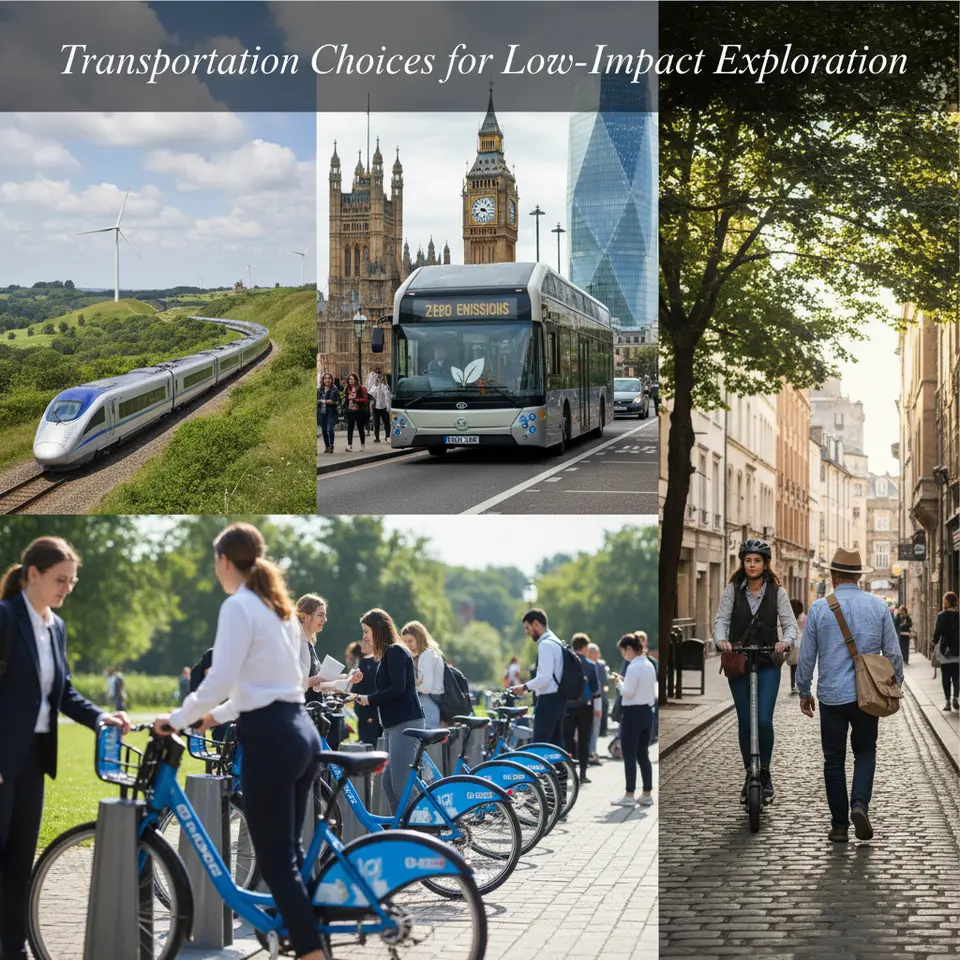
Transportation typically represents the largest slice of a trip’s carbon footprint. For journeys under 500 miles, high-speed rail offers an efficient, comfortable alternative to domestic flights. Europe, Japan, and China boast extensive networks that link major cities with minimal delays. In North America, intercity bus services and emerging rail lines present green alternatives—sometimes outfitted with free Wi-Fi and power outlets for uninterrupted work or entertainment.
When flying cannot be avoided, select nonstop routes whenever possible. Takeoffs and landings consume the bulk of fuel, so reducing connections diminishes overall emissions. Booking economy class can also lower per-passenger impact, and some airlines now allow passengers to purchase carbon-neutral tickets backed by certified offset initiatives.
Last-Mile Solutions
Once you arrive at your destination, prioritize low-impact modes for local travel. Many cities feature bike-share programs or e-scooter rentals that provide convenient, zero-emission transport. Public transit systems—buses, trams, and metro lines—often rely on hybrid or electric fleets. In rural regions, consider electric vehicle rentals, verifying that charging infrastructure is available along your planned route.
For short excursions, walking tours deliver unmatched immersion. Navigating streets on foot reveals architectural details, street art, and neighborhood dynamics that typical tours might overlook. Additionally, pedestrian exploration fosters spontaneous discoveries—be it a tucked-away café, a local artisan’s workshop, or a scenic viewpoint unreachable by car.
Selecting Green Accommodations and Stays

Certifications and Standards
Your choice of lodging sets the tone for sustainable travel. Seek properties accredited by reputable programs such as Green Globe, LEED, or Rainforest Alliance. Certified establishments often implement comprehensive strategies: solar panels, energy-efficient lighting, waste sorting systems, and menus featuring locally sourced ingredients. Many also publish annual sustainability reports, allowing guests to track improvements over time and stay informed about ongoing conservation efforts.
Solo travelers, couples, and families can find eco-friendly options across the spectrum—from boutique urban hotels to wilderness eco-lodges. Government tourism boards and nonprofit platforms frequently maintain databases of accredited venues, easing the search process and supporting local economies through verified channels.
Alternative Lodging Experiences
For a more immersive encounter, explore homestays, guesthouses, or community-run eco-retreats. In these settings, fees directly benefit residents and help sustain cultural traditions. Accommodation hosts often share insider knowledge—hidden trails, seasonal celebrations, or traditional recipes—that enrich your understanding and connection to the locale.
When camping or glamping is on the agenda, select sites with minimal environmental impact. Choose established campgrounds that enforce strict leave-no-trace policies, and use portable stoves rather than open fires. Biodegradable soaps and refillable water containers ensure that natural resources remain protected. By blending comfort with conservation, alternative stays offer a profound sense of place without compromising ecological integrity.
Choosing Sustainable Food and Dining Options
Food choices play a major role in sustainable travel. Opt for locally sourced and seasonal meals instead of imported or heavily processed foods. Eating at local restaurants not only reduces transportation emissions but also supports small businesses and farmers. Street food can be a great eco-friendly option when prepared fresh and with minimal packaging. Additionally, reducing meat consumption—even occasionally—can significantly lower your environmental impact. Carry reusable containers for takeaways to avoid single-use plastics. By making mindful dining decisions, travelers can enjoy authentic flavors while contributing to a more sustainable and responsible food system.
Sustainable Travel Gear and Essentials
Packing the right gear can make your trip more eco-friendly and convenient. Choose reusable items such as stainless steel water bottles, bamboo utensils, cloth shopping bags, and eco-friendly toiletries. Look for products made from recycled or biodegradable materials to minimize waste. Lightweight and multi-purpose clothing reduces luggage weight, lowering transportation emissions. Solar-powered chargers and reusable travel kits can also help reduce reliance on disposable items. Investing in durable, long-lasting gear ensures fewer replacements over time. With the right essentials, sustainable travel becomes easier to maintain throughout your journey without sacrificing comfort or practicality.
Supporting Wildlife and Nature Conservation
Respecting wildlife and natural habitats is a key part of sustainable travel. Avoid attractions that exploit animals, such as unethical zoos or performances. Instead, visit certified wildlife sanctuaries and conservation centers that prioritize animal welfare. Maintain a safe distance from animals and never feed them, as this can disrupt their natural behavior. Stick to marked trails when exploring natural areas to protect ecosystems. Participating in conservation tours or volunteering programs can also make a positive impact. By acting responsibly, travelers help preserve biodiversity and ensure that natural environments remain protected for future generations.
Practices for Responsible Activities and Waste Reduction
Waste Management on the Go
Effective waste reduction begins in the packing phase. Equip yourself with reusable essentials: water bottles, cutlery, shopping bags, and produce pouches. By politely declining single-use plastics—straws, bags, and disposable containers—you can significantly decrease landfill contributions. When local recycling schemes exist, separate materials accordingly and inquire about composting options for organic scraps.
If you encounter litter along trails or shorelines, pick up a few stray items for proper disposal. This small act not only preserves natural beauty but also demonstrates respect for host communities. In urban areas, seek zero-waste cafés or refill stations for personal care products to maintain minimal packaging throughout your trip.
Engagement with Local Culture
Authentic encounters enrich sustainable travel. Opt for tours led by community members or cooperatives that guarantee fair wages and respect for traditions. Participate in workshops—pottery, weaving, cooking—where you learn indigenous techniques and support cultural preservation. Volunteering opportunities at organic farms, wildlife sanctuaries, or local schools allow you to contribute tangible benefits and gain a deeper sense of purpose.
Respect local customs: dress modestly when required, learn key phrases in the native language, and always ask permission before capturing photographs of individuals or sacred sites. Through these mindful interactions, travelers foster mutual trust and leave an enduring positive impression.
Conclusion
Embracing sustainable travel unlocks a more meaningful way to explore our planet. By prioritizing eco-friendly transportation, selecting green accommodations, and adopting low-impact habits, you can witness cultural wonders and natural marvels while safeguarding them for generations to come. Today’s tools—carbon calculators, eco-certifications, and digital platforms—offer unprecedented transparency and empower you to make informed decisions. As each journey unfolds, the choices you make reinforce a vision of travel that uplifts communities, preserves biodiversity, and nurtures global understanding. Let this guide serve as your compass for responsible adventure, inspiring every traveler to tread lightly and leave a legacy of positive change.
FAQs on Sustainable Travel
1. What is sustainable travel and why is it important?
Sustainable travel focuses on minimizing environmental impact while supporting local communities and preserving cultural heritage. It is important because it helps reduce pollution, protects ecosystems, and ensures that future generations can enjoy the same destinations without degradation.
2. How can I reduce my carbon footprint while traveling?
You can lower your carbon footprint by choosing trains over flights for short distances, booking direct flights, using public transport, walking or cycling, and staying in eco-friendly accommodations. Packing light and reducing energy usage during your stay also contribute significantly.
3. What are eco-friendly accommodations?
Eco-friendly accommodations are hotels, lodges, or homestays that follow sustainable practices such as using renewable energy, reducing water consumption, minimizing waste, and supporting local communities. Certifications like Green Key or LEED help identify such properties.
4. How do I find sustainable travel destinations?
Look for destinations that promote conservation, have eco-certifications, and support responsible tourism. Research government tourism websites, sustainability rankings, and traveler reviews that highlight environmental and cultural preservation efforts.
5. Is sustainable travel more expensive?
Not necessarily. While some eco-lodges may cost more, sustainable travel can save money through public transport, local food, and reduced consumption. Budget-friendly options like hostels, homestays, and slow travel can make it affordable.
6. What is carbon offsetting in travel?
Carbon offsetting involves compensating for your travel emissions by funding environmental projects such as tree planting or renewable energy initiatives. It helps balance out unavoidable carbon emissions from flights or transport.
7. How can I support local communities while traveling?
Support local businesses by staying in locally owned accommodations, hiring local guides, eating at local restaurants, and purchasing handmade goods. Avoid large international chains when possible to ensure your money benefits the community.
8. What are simple ways to reduce waste during travel?
Carry reusable items like water bottles, shopping bags, and utensils. Avoid single-use plastics, recycle properly, and choose eco-friendly products. Even small actions like refusing plastic straws can make a big difference.
9. Can sustainable travel still be comfortable and enjoyable?
Yes, sustainable travel can be both comfortable and enriching. Many eco-friendly accommodations offer modern amenities while maintaining environmental responsibility. Additionally, the authentic experiences and cultural connections often enhance enjoyment.
10. What role does technology play in sustainable travel?
Technology helps travelers make informed decisions through carbon calculators, eco-rating platforms, and booking sites that highlight sustainable options. Apps also help track emissions, find green accommodations, and discover local experiences.
