


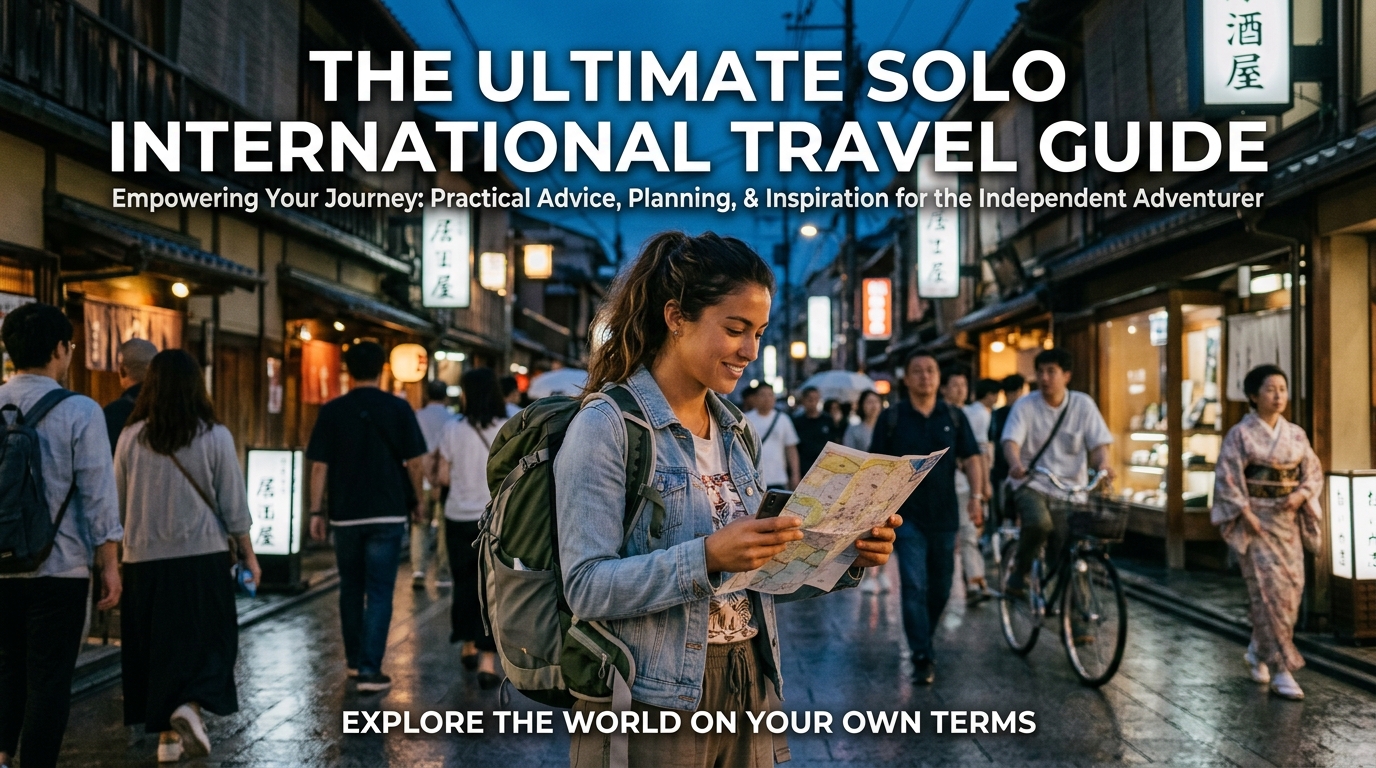
Planning a trip alone? This solo international travel guide provides essential tips on safety, budgeting, and packing. Discover top destinations, learn how to navigate foreign countries confidently, and embrace the ultimate adventure of exploring the world entirely on your terms.
There is a profound sense of freedom that comes with booking a one-way ticket to a new country. Without companions to compromise with, every decision—from where to eat to which museum to visit—is entirely yours. Crafting your own itinerary allows you to fully immerse yourself in a new culture and learn a lot about yourself along the way.
However, traveling alone also requires careful preparation. Navigating foreign transit systems, managing a budget, and staying safe in unfamiliar territory can feel daunting for first-timers. A comprehensive solo international travel guide is the best starting point for planning a seamless journey abroad.
By understanding the basics of independent travel, you can eliminate anxiety and focus on the thrill of exploration. This solo international travel guide covers everything from packing essentials to choosing the right destination. Read on to master the art of exploring the globe independently.
Preparing for Your First Solo Adventure
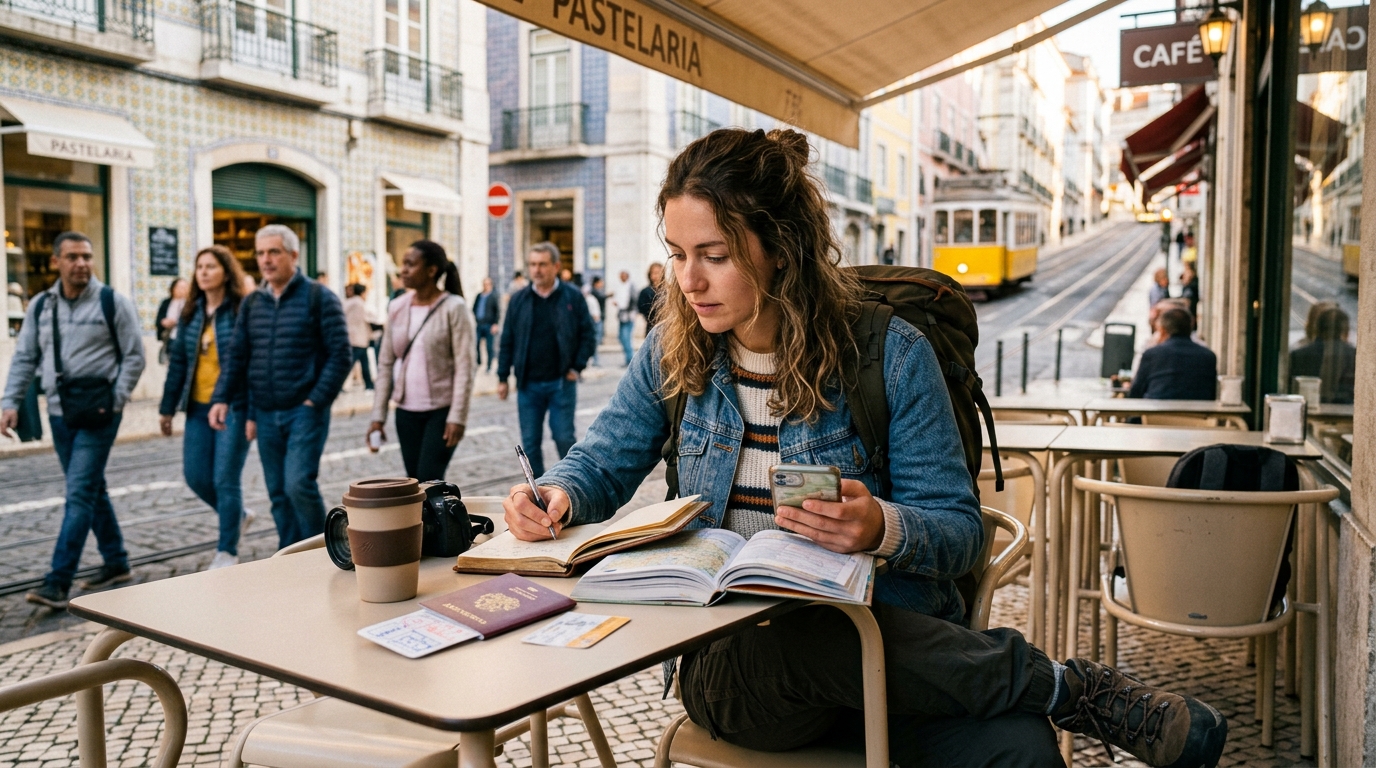
Every successful trip begins with solid planning. When using a solo international travel guide, the first step is organizing your travel documents. Ensure your passport is valid for at least six months beyond your planned return date. Research visa requirements for your chosen destinations well in advance.
It is highly recommended to purchase comprehensive travel insurance. Medical emergencies or trip cancellations are stressful enough, but dealing with them alone without financial protection is significantly worse. Make digital copies of your passport, ID, and insurance policies. Store them securely in the cloud and leave a copy with a trusted family member or friend back home.
Packing Smart and Light
One fundamental rule in any solo international travel guide is to pack light. You are solely responsible for carrying your luggage up hostel stairs, onto trains, and through crowded streets. A quality travel backpack or a small carry-on suitcase is usually sufficient for most trips. Prioritize versatile clothing that can be layered and mixed.
Choosing the Right Destination
Not all countries are equally suited for solo travelers. Some regions offer better infrastructure, lower crime rates, and more accessible social scenes for tourists. Below is a quick comparison table to help you decide.
|
Destination |
Safety Rating |
Budget Level |
Best For |
|---|---|---|---|
|
Japan |
Very High |
High |
Culture, Food, Transit |
|
Thailand |
High |
Low |
Backpackers, Beaches |
|
Portugal |
High |
Medium |
History, Surfing, Wine |
|
Costa Rica |
Medium |
Medium |
Nature, Adventure |
|
New Zealand |
Very High |
High |
Road Trips, Hiking |
Using this solo international travel guide table, you can select a country that matches your comfort level and financial resources.
Safety Tips for Solo International Travellers
Safety should always be a top priority when travelling alone. Before arriving at your destination, research safe neighbourhoods, local laws, and common scams targeting tourists. Share your itinerary with a trusted person and check in regularly. Avoid displaying expensive items like jewellery or high-end electronics in public. Use official transport options instead of unverified taxis, and stay in well-reviewed accommodations. Keep emergency contacts saved in your phone and written on paper. Trust your instincts—if a situation feels unsafe, leave immediately. A strong safety mindset helps reduce risks and ensures your solo journey remains enjoyable and stress-free.
Budget Planning for Solo Trips
Effective budgeting is essential for a successful solo international trip. Start by estimating costs for flights, accommodation, food, transport, and activities. Allocate daily spending limits and track expenses using budgeting apps. Choose affordable accommodation options like hostels or guesthouses, and consider cooking simple meals instead of eating out daily. Always keep an emergency fund separate from your main budget. Currency exchange rates can also impact total costs, so monitor them before converting money. A well-planned budget helps you avoid financial stress and allows you to enjoy your trip without overspending or running out of funds unexpectedly.
Essential Packing Checklist for Solo Travel
Packing smart makes solo travel easier and more comfortable. Carry lightweight clothing that can be layered for different climates. Include essential documents such as a passport, visa copies, travel insurance, and ID backups. A universal travel adapter, portable charger, and basic first-aid kit are must-haves. Pack only what you can comfortably carry, as you will be responsible for all luggage handling. Toiletries should be travel-sized to save space. Don’t forget safety essentials like locks for bags and a money belt. Minimalist packing ensures mobility, reduces stress, and makes navigating airports and public transport much easier.
Best Accommodation Options for Solo Travellers
Choosing the right place to stay significantly impacts your solo travel experience. Hostels are great for meeting other travelers and sharing experiences. Budget hotels offer more privacy while still being affordable. Airbnb and guesthouses provide a local experience and often a homely atmosphere. Always check reviews, location safety, and accessibility before booking. Staying in central areas reduces transportation costs and improves convenience. Look for accommodations with good security features like lockers, 24/7 reception, and CCTV. A well-chosen stay enhances comfort, safety, and opportunities for social interaction during your solo journey.
Transportation Tips in Foreign Countries
Understanding local transportation systems is crucial for solo travelers. Research train, bus, and metro networks before arriving in a new country. In many cities, public transport is the cheapest and safest option. Ride-hailing apps can also be convenient but should be used cautiously. Always confirm fares in advance to avoid overcharging. Learn basic route maps and carry offline navigation apps for backup. Avoid traveling during late hours in unfamiliar areas. Knowing how to move around efficiently saves time, reduces costs, and helps you explore destinations with confidence.
Staying Connected While Traveling Alone
Staying connected is important for both safety and convenience. Purchase a local SIM card or international roaming plan to ensure access to mobile data. Use messaging apps to stay in touch with family and friends regularly. Social media and travel communities can also help you find tips, meet other travelers, and share experiences. Always have offline maps downloaded in case of network issues. Carry a power bank to avoid losing connectivity during the day. Staying connected ensures you remain safe, informed, and socially engaged throughout your solo journey.
Cultural Awareness and Respect Abroad
Respecting local culture is an important part of responsible solo travel. Every country has its own traditions, customs, and social norms. Learn basic etiquette such as greetings, dress codes, and dining manners before you arrive. Avoid behaviors that may be considered disrespectful or inappropriate. Observing and adapting to local culture helps you build positive interactions with locals. It also enhances your travel experience by making you feel more welcomed. Cultural awareness not only prevents misunderstandings but also enriches your journey with deeper, more meaningful connections.
Emergency Preparedness While Travelling Solo
Being prepared for emergencies is essential when travelling alone. Before your trip, research local emergency numbers, hospitals, and the nearest embassy of your home country. Save these contacts both on your phone and in written form. Always carry a small emergency kit with basic medicines, bandages, and essential health items. Keep your phone charged and consider using a portable power bank. It’s also wise to share your travel plans with a trusted person back home and check in regularly. Preparedness reduces panic during unexpected situations and ensures you can respond quickly and confidently if problems arise.
Using Technology to Enhance Solo Travel
Technology plays a major role in making solo travel safer and more efficient. Navigation apps help you find routes easily, while translation tools break language barriers instantly. Travel apps assist with booking accommodations, transportation, and activities on the go. Expense tracking apps help you manage your budget in real time. Additionally, safety apps can share your live location with trusted contacts. Offline maps are useful when internet access is limited. With the right digital tools, solo travelers can reduce uncertainty, stay organized, and move through foreign countries with greater confidence and independence.
Building Confidence as a First-Time Solo Traveler
Confidence grows with every step you take while travelling alone. At first, new environments may feel overwhelming, but small actions help build independence. Start by exploring nearby areas, ordering food alone, or using public transport confidently. Each successful experience increases self-trust. Talking to locals and other travelers can also boost confidence and reduce anxiety. Mistakes are part of the journey and should be seen as learning opportunities. Over time, solo travel helps you become more adaptable, self-reliant, and comfortable in unfamiliar situations, turning nervousness into excitement and personal growth.
Managing Digital Safety While Abroad
Digital safety is just as important as physical safety during solo travel. Avoid using public Wi-Fi for banking or sensitive transactions, as these networks can be insecure. Instead, use mobile data or a VPN for secure browsing. Be cautious when sharing your location or travel updates on social media, especially in real time. Use strong passwords and enable two-factor authentication for important accounts. Always verify booking websites and avoid suspicious links. Protecting your digital identity ensures your personal data, finances, and travel plans remain secure throughout your journey.
Frequently Asked Questions About Solo Travel
1. Is it safe to travel internationally alone?
Yes, it is generally safe if you exercise common sense. Research your destination, avoid walking alone at night in unlit areas, and keep your valuables secure. A reliable solo international travel guide always emphasizes situational awareness.
2. How do I make friends while traveling solo?
Staying in social hostels, joining walking tours, and using group meetup apps are excellent ways to meet fellow travelers. Many people traveling alone are eager to connect.
3. What should I do if I get sick abroad?
Always carry a basic first-aid kit and have travel health insurance. If you fall ill, consult local pharmacies for minor issues or use your insurance provider’s hotline to find an approved local clinic.
4. How do I manage my budget effectively?
Track your daily expenses using a budgeting app. Eat at local markets instead of tourist-heavy restaurants, and utilize public transportation. Sticking to a solo international travel guide budget ensures you do not run out of funds.
5. Will I get lonely traveling by myself?
Loneliness can happen, but it usually passes. Bring a good book, schedule regular video calls with family, or join a local day tour to break up long stretches of solitude.
6. Do I need to speak the local language?
While you do not need to be fluent, learning basic phrases like “hello,” “thank you,” and “help” goes a long way. Translation apps are incredibly useful for complex interactions.
7. How do I take photos of myself without a travel partner?
A lightweight tripod and a smartphone with a timer are your best friends. Alternatively, kindly ask a fellow tourist or local to snap a quick photo for you.
8. What is the best way to carry money?
Carry a mix of payment options: a travel credit card with no foreign transaction fees, a backup debit card, and a small amount of local currency. Keep them stored in different bags.
9. How do I handle eating at restaurants alone?
Embrace it! Bring a journal or a book if you feel awkward. Sitting at the bar instead of a table is also a great way to chat with the bartender or other solo diners.
10. How do I plan an itinerary using a solo international travel guide?
Start by picking a few “must-do” activities, but leave plenty of free time. The beauty of solo travel is flexibility, allowing you to change your plans whenever you want.
Embrace Your Solo Journey
Taking the leap to travel the world alone is one of the most rewarding decisions you can make. Every challenge you overcome builds confidence, and every new friendship broadens your perspective. Let this solo international travel guide serve as your foundation, but remember that the actual magic happens when you step out of your comfort zone. Book that ticket, pack your bags, and get ready for the adventure of a lifetime.
