



A Vacation Planning Checklist turns travel ideas into organized action. It helps you plan destinations, manage budget, book essentials, and pack efficiently. This structure reduces stress, saves time and money, and ensures a smoother, more enjoyable travel experience from start to finish.
A good trip rarely starts at the airport. It starts long before that, when you make a plan that removes guesswork and protects your time, money, and energy. A Vacation Planning Checklist helps you move from vague excitement to confident action. Instead of wondering what to book first or what to pack last, you follow a simple path that keeps every detail under control.
A Vacation Planning Checklist gives you structure without making the process feel heavy. It helps you decide where you are going, how much you can spend, what to reserve, and what to pack. Most of all, it helps you enjoy the journey before it even begins.
If you have ever felt rushed, forgotten something important, or spent too much money because you waited too long, this guide is for you. A Vacation Planning Checklist turns scattered thoughts into a clear sequence. It also makes it easier to share responsibilities with family members, travel partners, or coworkers who may need to know the plan.
For travellers who want a simple, calm process, the right system matters. This Vacation Planning Checklist will walk you through each stage of preparation, from the first idea to the final bag zip. Along the way, you will see how to plan a vacation easily, plus simple vacation planning tips that reduce avoidable stress and make better decisions with less effort.
Why Planning Matters

A Vacation Planning Checklist is valuable because it lowers uncertainty. When people travel without a plan, they often pay more, forget essentials, or book too late. That creates pressure before the trip even starts. With a checklist, each decision happens in the right order, which gives you more control and fewer surprises.
A Vacation Planning Checklist also protects your budget. Flights, hotels, trains, rental cars, and tours often become more expensive as dates approach. Planning early lets you compare options calmly instead of reacting to the first available choice. That alone can save a meaningful amount of money.
There is also a psychological benefit. A Vacation Planning Checklist reduces decision fatigue. When every task lives in one place, your brain does not need to keep repeating reminders. You can focus on the fun parts of travel, such as food, sights, and experiences, instead of worrying that you missed something important.
For busy people, a Vacation Planning Checklist creates momentum. These simple vacation planning tips help you move forward without feeling overloaded. Even if you only complete a few items each day, you are making progress. The trip becomes a project with clear steps instead of a vague source of stress.
Step 1: Set the Trip Goal
A Vacation Planning Checklist should begin with purpose. Ask yourself what kind of trip you want. Do you want rest, adventure, family time, romance, sightseeing, or a mix of everything? The answer shapes your destination, schedule, spending, and packing list.
A Vacation Planning Checklist works best when the goal is specific. A beach weekend requires a different approach than a city break or mountain escape. Once the purpose is clear, it becomes easier to choose dates, estimate costs, and decide which activities matter most.
At this stage, it helps to keep expectations realistic. A Vacation Planning Checklist should support the experience you can actually enjoy, not the one you think you should have. A shorter trip can still feel rewarding if it matches your energy, budget, and schedule.
Step 2: Choose Dates and Destination
A Vacation Planning Checklist becomes more effective when you lock in the basics early. Start with the time you can realistically take off. Then look at destination options that match your season, budget, and travel style. If your dates are flexible, compare a few windows before making a final choice.
A Vacation Planning Checklist should also account for weather, holidays, school breaks, and local events. These details affect prices and crowds. A popular destination during a holiday period may require earlier booking and a more flexible mindset.
Once you choose a location, confirm travel time and transportation options. A Vacation Planning Checklist can help you avoid destinations that look appealing but take too much time to reach for the length of trip you want. The best destination is not always the most famous one; it is the one that fits your goals and schedule.
Step 3: Build a Budget You Can Follow
A Vacation Planning Checklist is far more useful when the budget is clear. Start with the major categories: transportation, lodging, meals, activities, shopping, insurance, and emergency money. Estimate each category before you book anything so you know what kind of trip is realistic.
A Vacation Planning Checklist should not be based on wishful thinking. Use actual prices whenever possible. Compare hotel rates, average meal costs, airport transfer fees, and activity charges. Then add a buffer for unexpected expenses. That extra cushion helps you stay calm if something changes.
A Vacation Planning Checklist also helps you choose where to save and where to spend. Maybe you want a nicer hotel but simpler meals. Maybe you care more about tours than souvenirs. Budgeting becomes easier when you know what matters most to you.
Simple Budget Table
| Category | What to Include | Tip |
|---|---|---|
| Transport | Flights, trains, fuel, transfers | Book early when possible |
| Stay | Hotel, hostel, rental, resort | Compare total price, not just nightly rate |
| Food | Breakfast, lunch, dinner, snacks | Check whether meals are included |
| Activities | Tours, tickets, entry fees | Reserve high-demand items first |
| Extras | SIM card, insurance, tips | Keep a small buffer for surprises |
Step 4: Research the Destination
A Vacation Planning Checklist becomes stronger when you know the place you are visiting. Look up the neighborhood, main attractions, transportation options, local customs, safety basics, and opening hours. This saves time later and makes your trip feel smoother.
A Vacation Planning Checklist should include practical research, not only inspiration. Read enough to understand how the destination works. For example, is public transit reliable? Are attractions close together? Do restaurants close early? Are there reservations you must make in advance?
A Vacation Planning Checklist is also a good place to note seasonal events or local rules. Some cities are best explored on foot, while others need a car. Some places have dress codes, entry requirements, or booking systems. Knowing these things before departure prevents frustration.
Step 5: Book the Core Pieces First
A Vacation Planning Checklist should always prioritize the essentials. Book transportation, lodging, and any must-have activities before focusing on optional extras. These are the items most likely to become expensive or unavailable if you wait too long.
A Vacation Planning Checklist works best when you compare options carefully. Look at cancellation policies, baggage rules, check-in times, and hidden fees. A low price can look attractive until the final total appears. Read the details before you confirm.
A Vacation Planning Checklist also helps you stay flexible. If the exact dates or locations are not fixed yet, use refundable options where possible. That gives you room to adjust without losing money.
Step 6: Organize Documents and Travel Essentials
A Vacation Planning Checklist should include all travel documents in one secure place. That usually means identification, passport if needed, visas, tickets, booking confirmations, emergency contacts, and payment backup. Keep both digital and physical copies when appropriate.
A Vacation Planning Checklist is also the right moment to check expiration dates. A passport, driver’s license, or visa issue can ruin a trip if discovered too late. Review every document with enough time to fix problems before departure.
A Vacation Planning Checklist should remind you to confirm insurance as well. Travel insurance can be useful for medical issues, cancellations, or lost luggage. Whether you purchase it depends on your destination and risk tolerance, but it is worth checking before you leave.
Step 7: Make Packing a System
A Vacation Planning Checklist becomes much easier when packing is organized by category. This easy travel packing checklist keeps clothing, toiletries, electronics, medications, documents, and comfort items in order instead of scattered at the last minute.
A Vacation Planning Checklist should reflect the climate and activities you actually expect. Pack for the weather, the walking you will do, and the dress code you may need to follow. Bring versatile items that can be mixed and matched to reduce overpacking.
A Vacation Planning Checklist is especially helpful when you pack early. Try setting aside your suitcase a few days in advance and collecting items gradually. That makes missing items easier to spot. It also prevents the stress that comes from packing while tired.
Easy Packing Categories
- Clothing for each day plus one backup outfit
- Shoes that match the planned activities
- Toiletries in travel-sized containers
- Chargers, adapters, and power bank
- Basic medications and first-aid items
- Copies of important documents
- Snacks, water bottle, and comfort items
A Vacation Planning Checklist should also consider what not to bring. Heavy “just in case” items usually take up space without adding value. Pack with purpose, not fear.
Step 8: Use a Smart Timing Plan
A Vacation Planning Checklist works best when tasks are spaced out. Waiting until the final week creates pressure. A better approach is to divide the work into stages. Book early, review details later, and pack near the end.
A Vacation Planning Checklist can follow a simple timeline, which is the easiest way to figure out how to plan a trip without hassle. Two months out, focus on destination and budget. One month out, book core travel and lodging. Two weeks out, confirm reservations and plan packing. In the final days, check documents, charge devices, and complete the suitcase.
A Vacation Planning Checklist also gives you room to prepare for the return trip. Think about laundry, fridge cleanup, work deadlines, and the first day back. That small step makes coming home feel far less chaotic.
Step 9: Keep the Trip Stress-Free
A Vacation Planning Checklist is not only about logistics. It also supports your peace of mind. That is the heart of stress free vacation planning: fewer last-minute decisions, more breathing room, and a trip that feels calmer from start to finish. Leave some space in the itinerary so the trip does not become a race.
A Vacation Planning Checklist should include breaks, not just attractions. Overscheduling creates fatigue and reduces enjoyment. A balanced plan gives you time to rest, eat properly, and handle small delays without panic.
A Vacation Planning Checklist can also help you stay present. When the basics are already handled, you are free to notice the people, places, and moments that make travel meaningful. That is where the real value of planning shows up.
How to Adjust the Checklist for Different Travelers
A Vacation Planning Checklist should be flexible enough for different travel styles. A solo traveler may focus on safety, connectivity, and mobility. A couple may care more about shared experiences and privacy. A family may need kid-friendly activities, meal planning, and extra supplies.
A Vacation Planning Checklist for business travelers can emphasize efficiency, while a leisure trip may prioritize comfort and spontaneity. The same framework works for all of them, but the details change. That flexibility is what makes the system practical.
A Vacation Planning Checklist is also helpful for group travel. When several people share one plan, fewer assumptions are made. Everyone can see the budget, schedule, and responsibilities, which reduces conflict before it starts.
How to Make the Process Faster
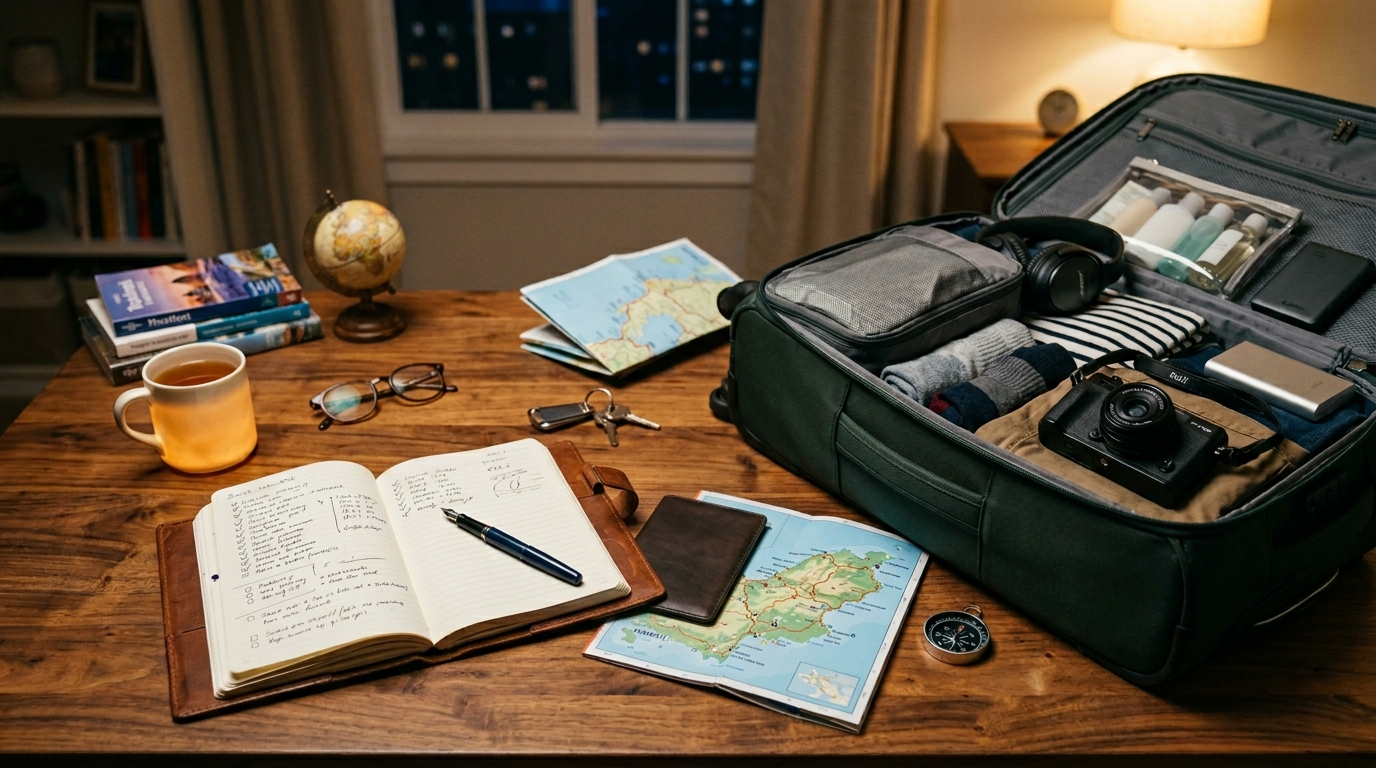
A Vacation Planning Checklist does not need to take days to complete. This quick vacation planning guide shows that a few focused sessions are often enough. Start with the biggest decisions, then move down to smaller details. The order matters because many later choices depend on the early ones.
A Vacation Planning Checklist becomes faster when you reuse templates. Save a favorite packing list, budget outline, or booking note for the next trip. That way, you are not starting over each time.
A Vacation Planning Checklist also benefits from simple tools. A notes app, spreadsheet, or paper list can all work well. The best system is the one you will actually use consistently.
Conclusion
A Vacation Planning Checklist is one of the simplest ways to make travel smoother, cheaper, and more enjoyable. It keeps you organized before departure and calmer during the journey. Instead of reacting to problems, you prepare for them in advance.
A Vacation Planning Checklist also helps you travel with intention. When you know what matters most, you make better choices about where to spend money, how to pack, and how to use your time. That creates a better trip from beginning to end.
A Vacation Planning Checklist is not about making travel rigid. It is about removing the unnecessary chaos that steals energy from the experience. Once the planning is in place, you can focus on the memories you actually came for.
FAQ
What should be included in a trip plan?
A Vacation Planning Checklist should include your dates, destination, budget, transport, lodging, activities, documents, and packing list. Those basics cover most of the important decisions.
How early should I start planning?
A Vacation Planning Checklist works best when you start as early as possible. For popular destinations, earlier planning usually means better prices and more options.
How do I avoid overpacking?
A Vacation Planning Checklist can help by organizing items by category and by trip purpose. Pack only what matches the weather, activities, and length of stay.
What makes travel less stressful?
A Vacation Planning Checklist reduces last-minute decisions, helps you prepare in advance, and keeps important details in one place. That combination usually makes the whole trip feel easier.
