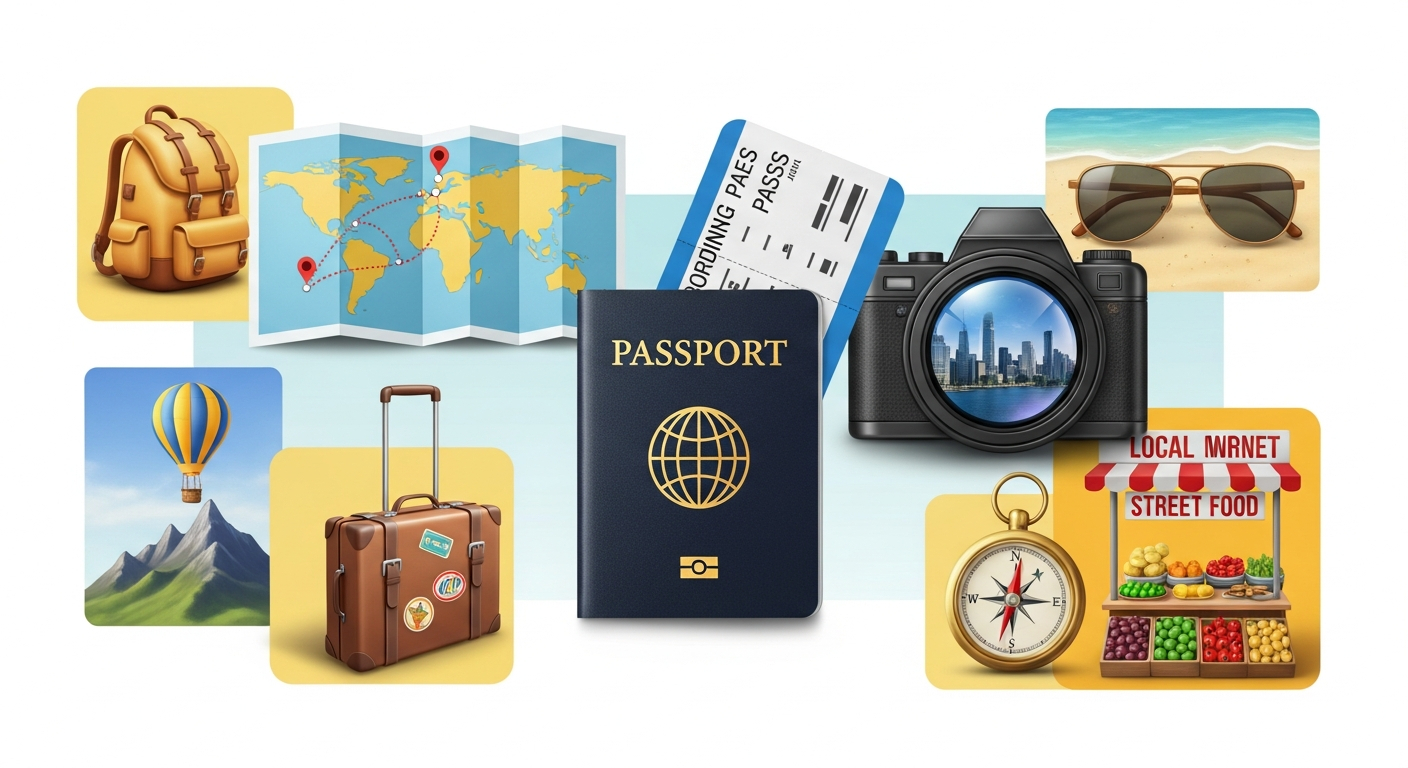
This beginner travel guide explains how to plan your first trip with ease, covering budgeting, destination selection, flight booking, packing strategies, safety tips, travel insurance, and itinerary planning. It helps first-time travelers reduce stress, stay organized, and confidently enjoy meaningful, safe, and well-prepared travel experiences anywhere in the world.
Booking your first big trip brings a rush of excitement and a healthy dose of nerves. Stepping out of your comfort zone to explore a new city, country, or continent is a massive milestone. You get to experience unfamiliar cultures, taste incredible food, and create memories that will last a lifetime.
However, the planning phase can quickly feel overwhelming. You have to figure out flight schedules, decode hotel reviews, and decide exactly what belongs in your suitcase. The logistics of travel often seem complicated to those who have never done it before. With so much information available online, finding clear, straightforward advice is surprisingly difficult.
Planning your first adventure
Every successful trip begins with a solid plan. You do not need an itinerary planned down to the minute, but you do need a general framework. Learn more about Complete Travel Planning Guide for Safe and Smart Travel.
Setting a realistic budget
Money dictates almost every aspect of your trip. Before you look at destinations, figure out exactly how much you can afford to spend. Break your budget down into categories: flights, accommodation, food, activities, and an emergency fund. Always add a 15% buffer to your total expected costs. Unexpected expenses, like a last-minute taxi ride or a forgotten toiletry, pop up frequently.
Choosing the right destination
For your very first trip, pick a destination that aligns with your interests and comfort level. If you only speak English, visiting a country with a high English proficiency can ease the transition. Consider factors like weather, safety ratings, and public transportation infrastructure. A city with an easy-to-use train system makes exploring much less intimidating for a newcomer.
Booking flights and accommodation
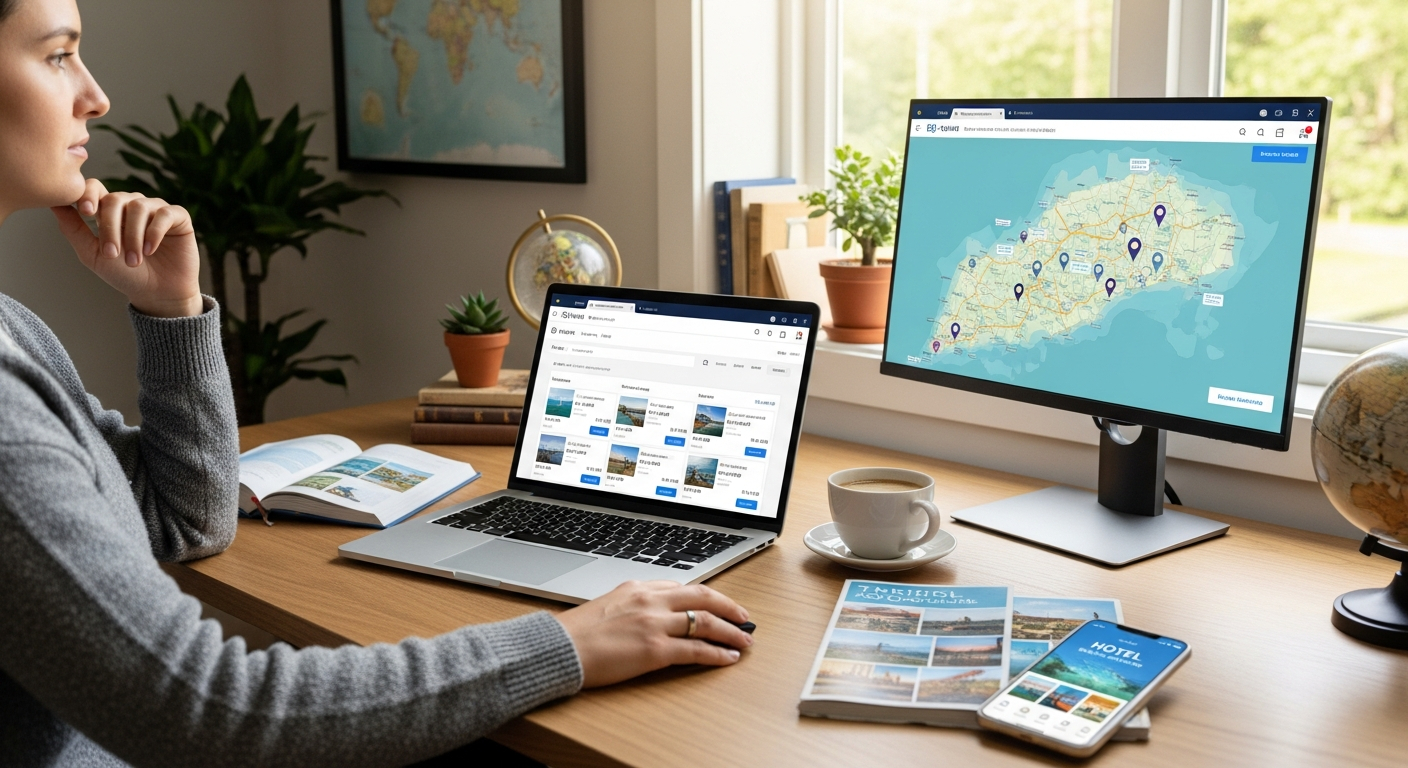
Once you have a budget and a destination, it is time to secure your travel arrangements.
Finding the best flight deals
Airfare usually takes the biggest bite out of your budget. Use flight aggregation websites to compare prices across different airlines. Flexibility is your best tool here. Flying on a Tuesday or Wednesday often costs significantly less than flying on a Friday or Sunday. Clear your browser cookies before searching, or use an incognito window, as flight prices sometimes increase based on your search history.
Selecting safe and central lodging
Your accommodation serves as your home base. As a beginner, prioritize safety and location over rock-bottom prices. Staying in a central neighborhood might cost a bit more upfront, but it saves you time and money on transportation. Read reviews on multiple platforms, paying special attention to comments about cleanliness, neighborhood safety, and proximity to public transit.
Packing essentials for beginners
Overpacking is the most common mistake first-time travelers make. Carrying a heavy suitcase up three flights of stairs will quickly teach you the value of packing light.
The 50/50 clothing rule
Lay out everything you think you need to bring. Now, put half of it back in your closet. You only need a few versatile pieces of clothing that you can mix and match. Stick to a neutral color palette. Bring comfortable walking shoes, as you will likely spend hours on your feet exploring new sights. Remember, you can always do laundry at your destination.
Important travel documents
Keep your essential documents secure and easily accessible. You will need your passport, a physical copy of your visa (if required), and your boarding passes. Take photos of these documents and email them to yourself. If you lose your physical copies, having digital backups will save you a massive headache at the embassy.
Navigating your destination
Arriving at your destination is thrilling, but figuring out how to get around can be tricky.
Using local transportation
Research the public transit options before you leave home. Many major cities offer multi-day transit passes that provide unlimited rides on buses and trains. Download offline maps on your smartphone so you can find your way even without an internet connection. If you plan to use rideshare apps, verify which ones operate legally in your destination country.
Staying connected abroad
Using your standard mobile plan internationally can result in massive roaming charges. Check if your phone is unlocked and supports an eSIM. Purchasing a local eSIM provides you with affordable data as soon as you land. Alternatively, you can buy a physical SIM card at the airport arrivals terminal.
Ready for departure
Planning your first trip takes time, patience, and a bit of research. By establishing a clear budget, booking strategically, and packing light, you eliminate the most common travel headaches. The skills you learn during this process will make every subsequent trip easier to organize.
Now that you have the fundamentals down, it is time to start building your itinerary. Check your passport expiration date, request time off from work, and get ready to experience the world on your own terms.
Understanding Travel Insurance in Detail
Travel insurance is often overlooked by first-time travelers, but it plays a critical role in protecting your trip. It covers medical emergencies, trip cancellations, lost baggage, and travel delays. Even minor issues like missed flights or sudden illness can become expensive without coverage. When choosing a policy, compare different providers and ensure it includes both medical and travel protection. Always read the fine print to understand exclusions. For international travel, especially, insurance provides peace of mind and financial security, allowing you to enjoy your journey without unnecessary stress or unexpected costs.
Building a Simple Travel Itinerary
A travel itinerary helps structure your trip without making it overly rigid. Start by listing your arrival and departure details, then plan one or two main activities per day. Avoid overloading your schedule, especially for your first trip. Leave free time for exploration, rest, or unexpected discoveries. Group nearby attractions together to save travel time and energy. Use digital tools or apps to organize bookings, maps, and reservations. A simple, flexible itinerary ensures a balanced experience between sightseeing and relaxation, making your first travel experience more enjoyable and less stressful.
Smart Packing Strategies for Beginners
Packing smart is essential for stress-free travel. Focus on lightweight, versatile clothing that can be mixed and matched. Stick to neutral colors and avoid unnecessary items. Always pack essentials like chargers, travel documents, toiletries, and a first-aid kit. Use packing cubes to organize your luggage efficiently. Keep important items in your carry-on bag in case checked luggage gets delayed. Limit yourself to one suitcase and one personal bag if possible. Smart packing not only saves space but also makes moving between destinations much easier and more comfortable.
Staying Safe While Traveling Alone or in Groups
Safety should always be a top priority, whether you are traveling alone or with others. Research your destination beforehand and identify safe neighborhoods. Avoid carrying large amounts of cash and keep valuables secure. Stay aware of your surroundings, especially in crowded areas where pickpocketing can occur. Share your travel plans with a trusted friend or family member. At night, stick to well-lit and populated areas. Trust your instincts—if something feels unsafe, remove yourself from the situation immediately. Simple precautions go a long way in ensuring a safe travel experience.
Making the Most of Your First Travel Experience

Your first trip is not just about sightseeing—it is about learning and growth. Stay open-minded and embrace new cultures, foods, and experiences. Talk to locals, try unfamiliar dishes, and explore beyond tourist hotspots. Do not stress over small mistakes like getting lost; they often lead to the most memorable moments. Take photos, but also spend time enjoying places without your phone. Keep a travel journal to record your experiences. The more open and flexible you are, the more rewarding and unforgettable your journey will become.
Frequently Asked Questions
1. What is the first step in planning a trip?
The first step in planning any trip is setting a realistic budget. Before choosing a destination or booking flights, you need to know how much you can comfortably spend. This budget should include flights, accommodation, food, transportation, activities, and an emergency fund. Once your budget is clear, you can make more informed decisions about where and how to travel without financial stress.
2. How do I choose the right destination for my first trip?
Choosing the right destination depends on your interests, budget, and comfort level. Beginners should consider places with good safety records, easy transportation systems, and language accessibility. If possible, select a destination where you feel culturally comfortable or where English is widely spoken. Matching your destination to your travel style ensures a smoother and more enjoyable first experience.
3. How much money should I save for my first trip?
The amount varies depending on your destination, but a good approach is to calculate all major expenses first. Estimate flight costs, hotel prices, daily food, and transportation. Then add a 10–15% emergency buffer for unexpected situations. Saving a little extra ensures you are financially prepared and can enjoy your trip without constantly worrying about money.
4. When is the best time to book flights?
The best time to book flights is usually several weeks to a few months in advance. Mid-week flights, especially on Tuesdays and Wednesdays, are often cheaper. Prices fluctuate based on demand, so using flight comparison tools and setting price alerts can help you secure better deals. Flexibility with travel dates also increases your chances of saving money.
5. What should I pack for my first trip?
For your first trip, pack light and focus on essentials. Bring versatile clothing that can be mixed and matched, comfortable shoes, important documents, chargers, toiletries, and basic medications. Avoid overpacking by using the 50/50 rule—remove half of what you think you need. Packing efficiently makes travel easier and reduces stress during movement.
6. Why is travel insurance important?
Travel insurance protects you from unexpected problems like medical emergencies, trip cancellations, or lost luggage. Without it, even small issues can become very expensive, especially in foreign countries. It provides financial security and peace of mind, allowing you to focus on enjoying your trip rather than worrying about potential risks.
7. How do I stay safe while traveling?
Staying safe requires awareness and preparation. Research your destination, avoid risky neighborhoods, and keep valuables secure. Carry only necessary cash and stay alert in crowded areas where pickpocketing may occur. Always share your travel plans with someone you trust. Most importantly, trust your instincts and avoid situations that feel unsafe.
8. What is the best way to plan a travel itinerary?
A good itinerary includes arrival details, accommodation information, and one or two main activities per day. Avoid over-scheduling to leave room for rest and spontaneous exploration. Group nearby attractions together to save time. A flexible itinerary helps balance structure with freedom, making your trip more enjoyable and less stressful.
9. How can I stay connected while traveling abroad?
To avoid high roaming charges, consider using a local SIM card or an eSIM. These provide affordable mobile data upon arrival. You can also use airport Wi-Fi for initial setup. Download offline maps and essential travel apps before your trip so you can navigate even without internet access.
10. What should I do if something goes wrong during my trip?
If something goes wrong, stay calm and assess the situation. Most travel problems, like missed transportation or lost items, can be resolved with patience. Contact your hotel, airline, or local authorities if needed. Having travel insurance can also help with emergencies. Remember, small issues are part of travel and often lead to valuable learning experiences.