


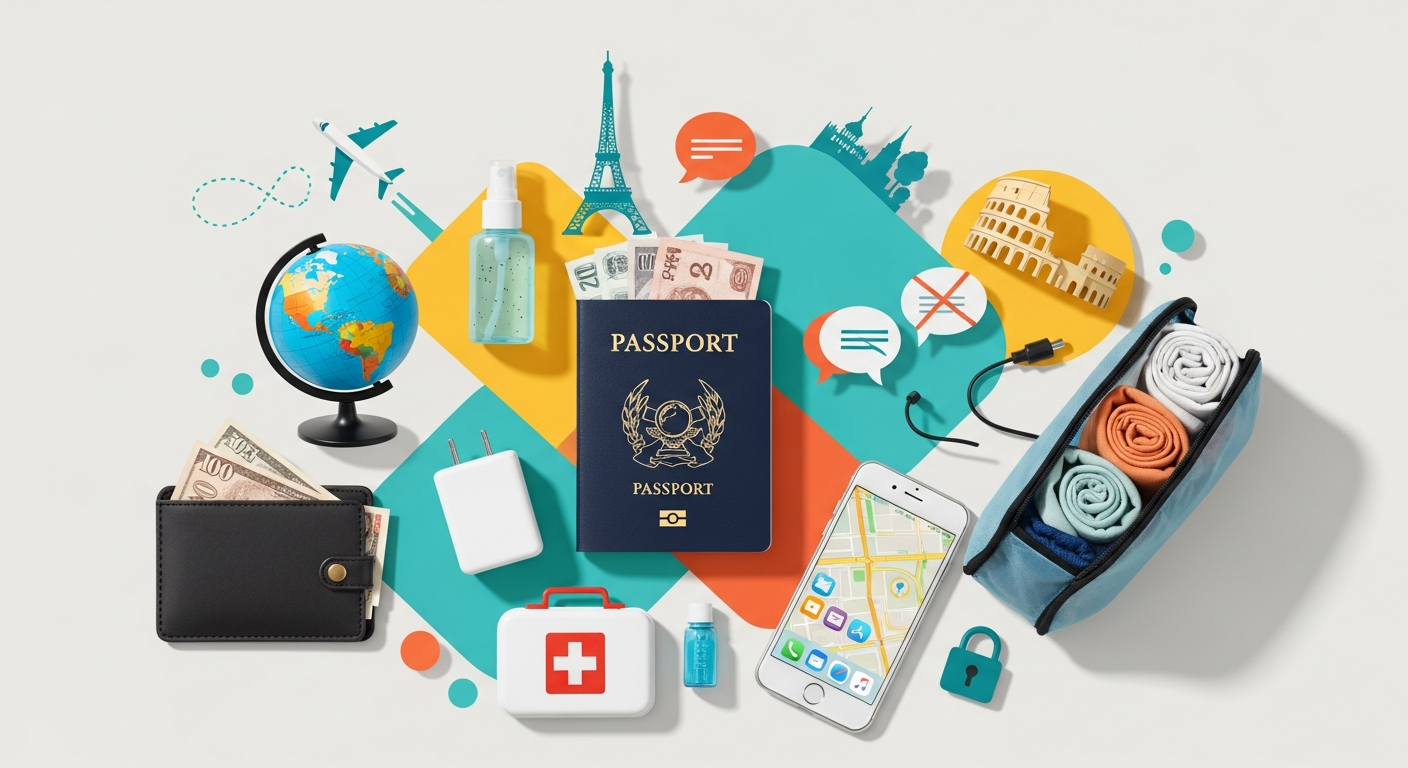
First-time international travel becomes easier with smart planning. Learn passport rules, visas, packing, airport procedures, money tips, safety strategies, and transportation basics. These practical first-time international travel tips help you travel confidently, reduce stress, and enjoy your first trip abroad.
Your first international trip is exciting in a way that is hard to describe. It can feel like freedom, adventure, and nervous anticipation all at once. You are leaving familiar routines, stepping into a new culture, and learning how to navigate airports, borders, transportation systems, and customs rules that may be completely different from what you know at home.
That excitement is part of the experience, but so is the overwhelm. First-time international travellers often worry about packing, passports, visas, money, airport procedures, language barriers, and what to do if something goes wrong. Those concerns are normal. The good news is that international travel becomes much easier when you prepare properly.
Start With the Right Travel Mindset
Before you book anything, it helps to have the right mindset. International travel rarely goes perfectly from start to finish. Flights can change, lines can be long, weather can be unpredictable, and some things may feel confusing at first. That does not mean the trip is failing. It simply means you are adjusting to a new environment.
A first-time traveller benefits from patience, flexibility, and curiosity. The goal is not to control every moment. The goal is to be prepared enough that small surprises do not ruin the experience. When you expect a learning curve, travel becomes less stressful and more enjoyable.
It also helps to remember that you do not need to know everything in advance. You only need to know the most important basics: how to enter the country, how to move around, how to stay safe, and how to respond if your plans change.
Check Your Passport Early
One of the first and most important steps in international travel is making sure your passport is valid. Many countries require your passport to remain valid for several months after your arrival date, not just on the day you land. That means a passport that looks fine at home may still create problems abroad.
Check these details carefully:
- The passport is not expired
- The passport has enough blank pages if needed
- The passport name matches your booking documents
- You have a digital and physical copy of the passport information page
If you need to renew your passport, do it early. Passport processing can take longer during busy periods. Waiting until the last minute can create unnecessary stress or even force you to delay the trip.
Understand Visa Requirements Before Booking
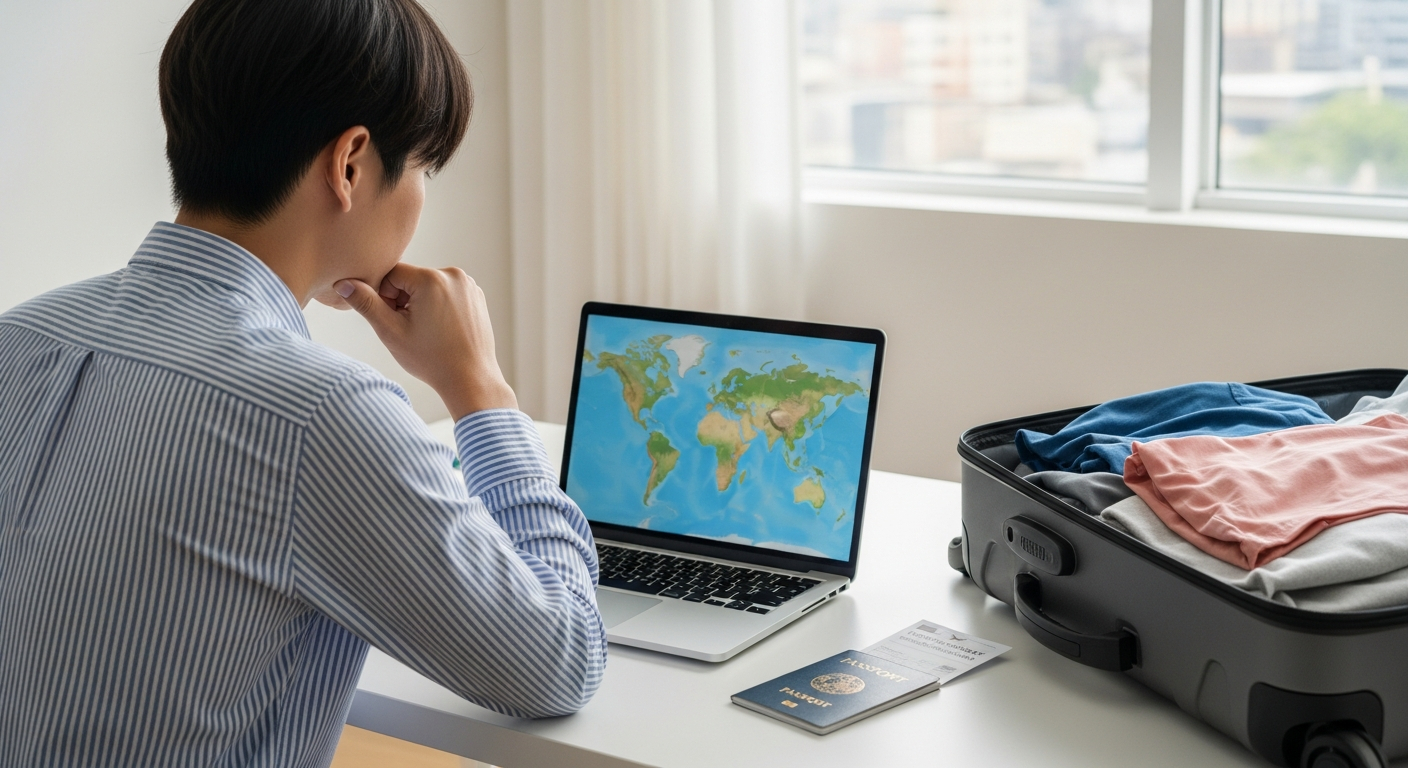
Not every destination allows easy entry for every traveler. Some countries require a visa in advance, some offer visa on arrival, and others allow certain travellers to enter without one for a limited period. Learn more about the ultimate beginner travel guide for your first trip.
Before booking flights, check:
- Whether you need a visa
- How long does the visa take to process
- What documents are required
- Whether you need a return ticket
- Whether your passport must be valid for a certain period
- Whether you need proof of accommodation or financial support
This step matters because visa processing may affect your travel dates. In some cases, travelers book flights too early and later discover they do not have the paperwork they need. A simple visa check can prevent a major problem.
Book Flights With Extra Flexibility
For your first international trip, flexibility can be very helpful. If your schedule is uncertain, consider fare options that allow changes or cancellations. Even when plans are solid, a small amount of flexibility can be useful because international travel often involves more variables than domestic travel.
When booking flights:
- Compare total fare costs, not just the base price
- Check baggage allowance carefully
- Review the layover length
- Look at the airport transfer time if connecting through another city
- Avoid extremely tight connections if possible
A long-haul or international connection can feel intimidating the first time. A slightly longer layover is often better than a rushed transfer, especially when you are unfamiliar with the airport.
Choose a Destination That Matches Your Comfort Level
Your first international destination should ideally be manageable, not overwhelming. That does not mean it has to be simple or boring. It just means that a destination with good transportation, clear signage, and visitor-friendly systems may be easier for a first-time traveler than one that is logistically complicated.
When choosing a destination, consider:
- Language familiarity
- Transportation ease
- Safety perception
- Weather conditions
- Cultural differences
- Budget
- Flight duration
A place with reliable transit, walkable areas, and strong tourism support can help you build confidence. Once you have one successful international trip, future trips often feel much easier.
Make a Basic Travel Checklist
A checklist reduces the chance of forgetting important items. It also makes packing much less stressful.
Your travel checklist should include:
- Passport
- Visa documents
- Flight tickets or confirmations
- Hotel booking details
- Travel insurance documents
- Payment cards
- Some local currency
- Phone charger and power adapter
- Medications
- Emergency contact list
- Copies of important documents
You may also want a digital folder on your phone or cloud storage with screenshots and copies of all major bookings. If your internet access is limited at any point, having offline access can help a lot.
Pack Smart, Not Heavy
Many first-time travellers pack far too much. Extra luggage may feel reassuring, but it often becomes a burden at airports, transfers, stairs, and crowded public transport.
Try to pack based on actual needs rather than fear. Ask yourself whether each item is necessary, useful, and likely to be used. If the answer is no, leave it behind.
A smart packing approach includes:
- Clothing suitable for the weather and culture
- Comfortable walking shoes
- Essential toiletries
- Small first-aid or personal care items
- Chargers and adapters
- Medications in original packaging if needed
- A spare outfit in your carry-on
The lighter you pack, the easier your journey becomes.
Understand Airport Procedures Before You Go
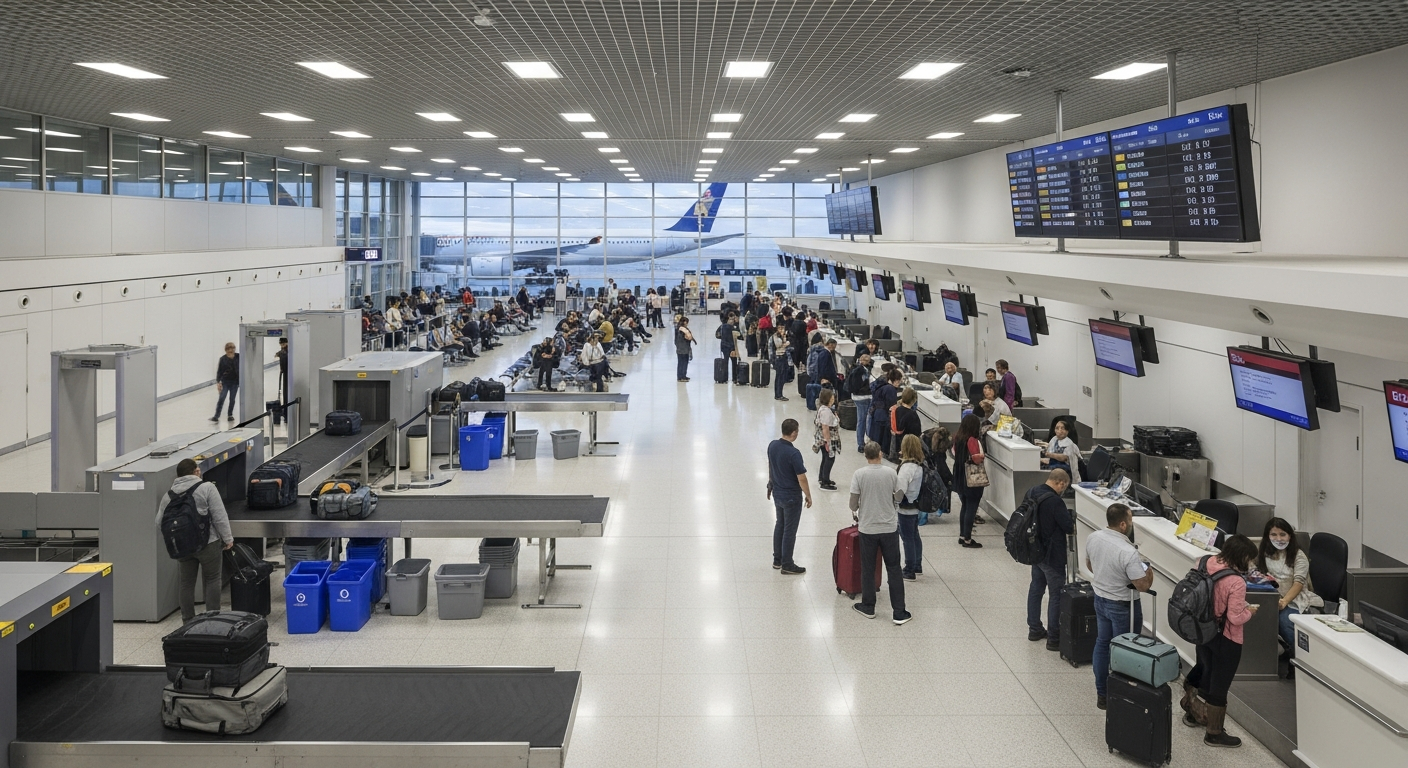
The airport is often the most stressful part of a first international trip, but it becomes much easier when you know what to expect.
Usually, the process includes:
- Arriving early
- Checking in for your flight
- Dropping checked luggage if needed
- Going through security screening
- Passing immigration or passport control if departing internationally
- Waiting at your gate
- Boarding your flight
At your destination, you may also need to go through immigration, collect your luggage, and pass customs. Procedures vary by country, but the general idea is the same.
Give yourself plenty of time. Rushing through an airport is never a good first international travel strategy.
Keep Your Documents Easy to Access
You should not bury your passport or boarding pass deep inside your luggage. Keep your important documents in a secure but easy-to-reach place.
Useful habits include:
- Using a travel wallet or document pouch
- Keeping digital copies on your phone
- Storing backups in cloud storage
- Making sure someone you trust has copies, too, if appropriate
This is especially useful if you need to quickly show your passport, visa, hotel booking, or return ticket during check-in or immigration.
Learn the Money Basics of the Destination
Money is one of the most common first-trip concerns. You do not need to master everything before leaving, but you should understand the basics.
Learn:
- The local currency name and value
- Whether cards are widely accepted
- Whether cash is preferred in some places
- How ATM withdrawals work
- Whether your bank charges foreign transaction fees
- Whether travel cards or digital payments are common
It is usually smart to carry a small amount of local currency for immediate needs such as transport, snacks, or tips if relevant. At the same time, avoid carrying too much cash in one place.
Tell Your Bank You Are Travelling
If your bank sees foreign spending and does not expect it, your card may be flagged. That can become a serious inconvenience, especially if you are relying on that card abroad.
Before you leave, let your bank or card provider know your travel dates and destination if that service is available. Also ask:
- Whether your card works internationally
- Whether there are transaction fees
- Whether you can use your card for cash withdrawals
- What to do if the card is lost or blocked
Having one main card and one backup card can be a wise move.
Get a Reliable Way to Stay Connected
Staying connected abroad makes everything easier. It helps with maps, messages, transport, translation, and booking confirmations.
Options may include:
- International roaming
- Local SIM card
- eSIM
- Hotel Wi-Fi
- Portable hotspot if needed
The best option depends on your destination, budget, and phone compatibility. Make sure your phone is unlocked if you plan to use a local SIM or eSIM.
Also, save important addresses, directions, and booking details offline in case your connection drops at the wrong time.
Download Useful Apps Before You Travel
Travel apps can make your first international trip much smoother. Before leaving, consider downloading:
- Maps or offline navigation apps
- Airline apps
- Hotel apps
- Translation apps
- Currency conversion apps
- Ride-hailing apps used in the destination
- Public transit apps if available
Set them up before your flight so you are not trying to figure everything out after landing.
Learn a Few Local Words and Customs
You do not need to become fluent in a new language to travel well, but learning a few basics shows respect and helps with simple interactions.
Useful words or phrases may include:
- Hello
- Thank you
- Please
- Excuse me
- Bathroom
- How much?
- I need help
- Where is the train station?
It also helps to know basic local customs, such as greetings, tipping expectations, dress norms, and how people usually interact in public spaces.
Even small efforts can make local interactions feel smoother and more pleasant.
Plan Your First Day Lightly
Your first day abroad should not be packed with too many activities. Travel fatigue, time zone changes, and airport stress can make even a short day feel long.
A better first-day plan might include:
- Airport transfer
- Hotel check-in
- Rest or freshen up
- A short walk nearby
- A simple meal
- Early sleep if needed
The goal is to settle in, not to conquer the destination immediately. Once you have recovered a little, the rest of the trip will feel much easier.
Be Careful With Jet Lag and Energy Levels
If your flight crosses several time zones, your body may need time to adjust. Jet lag can affect sleep, appetite, concentration, and mood.
To manage it better:
- Try adjusting sleep before the trip if possible
- Drink enough water
- Spend time in daylight after arrival
- Avoid overbooking the first day
- Permit yourself to rest
A tired traveller makes more mistakes. Starting gently helps you enjoy the trip more fully.
Choose Transportation Wisely After Arrival
One of the first decisions after landing is how to get from the airport to your accommodation. This choice matters more than many travellers expect.
Possible options include:
- Official airport taxis
- Hotel transfers
- Ride-hailing apps
- Public transportation
- Pre-booked shuttle services
For a first-time traveller, the most important thing is reliability. A cheaper option is not always better if it is confusing or hard to use after a long flight. If you arrive late at night, carrying luggage, or after a long journey, a pre-arranged transfer may be worth it.
Stay Aware, Not Fearful
Travel safety advice is important, but it should not make you anxious. Being aware is different from being afraid.
Good habits include:
- Keeping your bag secure
- Not flashing expensive items unnecessarily
- Staying alert in crowded places
- Using trusted transport services
- Knowing your hotel address
- Sharing your itinerary with someone is appropriate
Most international trips go smoothly. Basic awareness simply helps you respond wisely if something unexpected happens.
Avoid Overplanning Every Minute
First-time travellers sometimes build an itinerary that is too strict. While planning is important, leaving some flexibility matters too.
You may discover a neighbourhood you want to explore longer, a café you like, or a museum that takes more time than expected. If the schedule is too tight, every nice surprise becomes a problem.
A practical itinerary should guide your trip without controlling every minute.
Keep Emergency Contacts Ready
Before you leave, save emergency information in more than one place.
That may include:
- Local emergency numbers
- Embassy or consulate details, if relevant
- Hotel contact information
- Family or emergency contact at home
- Insurance support details
It is wise to keep both digital and printed copies in case your phone is lost or unavailable.
Respect Local Culture
Different countries may have different expectations about dress, behaviour, noise, tipping, photography, and public conduct. Being respectful helps you avoid misunderstandings and makes travel more rewarding.
You do not need to know everything perfectly. A little curiosity and humility go a long way. If you are unsure, observe how locals behave or ask politely when needed.
Keep Your Trip Manageable
Your first international trip does not need to be the most ambitious trip you ever take. In fact, it is often better if it is manageable.
A good first trip is one where you can:
- Arrive safely
- Navigate basic transportation
- Understand your bookings
- Communicate simple needs
- Enjoy the experience without constant confusion
Confidence grows with each successful trip. Start with a plan you can realistically handle.
Take Photos of Important Details
Taking photos of documents and travel details can save time later. Useful items to photograph or save include:
- Passport information page
- Visa pages
- Boarding passes
- Hotel address
- Emergency contacts
- Transportation bookings
This does not replace physical documents, but it does give you extra backup.
Know What to Do If Plans Change

Even with good planning, things can change. Flights can be delayed, luggage can be late, weather can affect transfers, or schedules can shift.
The most helpful response is to stay calm and work through the next step one at a time.
Ask:
- What is the immediate problem?
- What is the safest or simplest next move?
- Who should I contact?
- What documents or confirmations do I need?
Travel becomes easier when you remember that most problems have a practical solution.
Enjoy the Experience
A first international trip is not just a logistics exercise. It is a memory in the making.
You will likely remember the airport, the first street you walk on, the first local meal, and the feeling of being somewhere completely new. Try not to spend the whole trip worrying about whether everything is perfect. Let yourself notice, learn, and enjoy.
The more relaxed and prepared you are, the more you can appreciate the experience.
Conclusion
First-time international travel can feel intimidating, but it becomes much easier when you prepare well. A valid passport, the right visa, smart packing, good financial planning, and a realistic itinerary make a huge difference. So does understanding airport procedures, transportation choices, safety habits, and local customs.
The goal is not to eliminate every possible challenge. The goal is to make your trip manageable, comfortable, and memorable. With the right planning, your first international journey can be the start of many more confident adventures.
Travelling abroad for the first time is a milestone. Approach it with patience, practical preparation, and curiosity, and it will become one of the most rewarding experiences you’ve ever had.
Frequently Asked Questions
What should I do first when planning my first international trip?
Start by checking your passport, researching visa requirements, and choosing a destination that matches your comfort level and budget. These early steps shape the rest of your travel plan and help you avoid last-minute problems.
How early should I book an international flight?
It depends on the destination, season, and price trends, but booking early often gives you better options and more time to prepare. If your plans may change, consider fare types that allow flexibility.
How much cash should I carry on my first international trip?
Carry a small amount of local currency for immediate expenses, but do not rely only on cash. Use a combination of cards, ATM access, and emergency cash based on the destination’s payment habits.
Is it better to use a local SIM or international roaming?
That depends on cost, convenience, and phone compatibility. A local SIM or eSIM is often cheaper for longer trips, while roaming may be easier for very short visits. Check your phone’s unlock status before deciding.
What if I do not speak the local language?
Learning a few basic phrases and using translation apps can help a lot. Many travelers manage well with simple words, gestures, maps, and saved addresses.
How do I avoid overpacking for my first trip abroad?
Pack only what you will realistically use. Focus on clothing for the climate, essential toiletries, travel documents, chargers, and comfortable shoes. A lighter bag makes the trip much easier.
What should I keep in my carry-on bag?
Keep travel documents, medications, electronics, chargers, a change of clothes, and important valuables in your carry-on. This helps if checked luggage is delayed.
How can I stay safe as a first-time international traveler?
Stay aware of your surroundings, use trusted transport, secure your belongings, and keep important contacts and documents accessible. Basic caution is usually enough for most trips.
Should I plan every day in detail?
No. A practical itinerary should include structure, but it should also leave space for rest and flexibility. Overplanning can make the trip stressful.
What is the best advice for enjoying my first trip abroad?
Prepare well, stay flexible, and do not panic over small issues. Focus on learning, exploring, and enjoying the experience rather than trying to control every detail.
